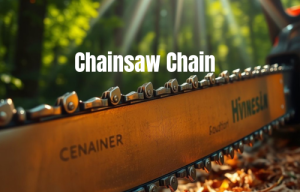
Chainsaw lubrication: Keep Your Saw Running Smoothly

To ensure optimal performance, your chainsaw needs to be regularly greased. This is critical. First of all, lubrication helps to reduce friction between the moving parts, and accordingly, wear and tear is minimized. Furthermore, regular greasing helps prevent the chain and bar from overheating during extended usage. Without proper lubrication, it is much harder to avoid your chainsaw seizing up or suffering severe damage in the long run. In fact, basic maintenance neglect drastically ramp up intends to deteriorate a tool’s lifespan. But chainsaws are more efficient when regularly greased as they cut better and require less repairs. Moreover, grease aids in shielding internal parts from dust and debris which is prevalent in the outdoors. As a result, the saw performs more safely and runs more smoothly.

Therefore, in an effort to minimize, or altogether avoid, mechanical issues and maximize performance, never miss the opportunity to grease your chainsaw. For firewood workers or all-in-one tool, oiling a chainsaw properly enhances its smooth functionality and durability. This comprehensive article explains all chainsaw lubrication essentials, including its importance and how to do it seamlessly. Whether you’re using an electric chainsaw  or a compact mini chainsaw, proper lubrication is key to extending lifespan and maximizing performance.

Why Chainsaw Lubrication Matters.

Without sufficient lubrication, chainsaws function at dangerous levels, considerably overheating their chains and bars, leading them to dull and seize.

Lubrication:

First of all, proper lubrication slows down the deterioration and friction of the chain and guide bar. As a result, it prevents component overheating that could otherwise warp them. Moreover, it enhances smooth and safe cutting, making every operation more controlled. In addition, it significantly increases the durability of critical parts like the sprockets, bar, and chain, thereby extending your tool’s lifespan.

🔧 You can easily visualize bar oil as blood pumping through the body without it, the engine of the saw will have to forcefully work, making many parts grind, losing overall efficiency, which isn’t too good.

Types of Lubricants for Chainsaws.

To begin with, chainsaws typically use manual or automatic oiling systems. In comparison, manual oiling requires the user to apply oil as needed, whereas automatic systems consistently lubricate the bar and chain during operation. Moreover, some models allow adjustable flow rates, offering more control depending on the task. Ultimately, choosing the right oiling type enhances performance, while also reducing maintenance needs.

  1. Bar and Chain Oil (Standard)
    •   Best for chainsaws
    •   Adhesive nature maintains grip on the chain at high speeds.
    •   Operative in both gas chainsaws and electric chainsaws
  1. Summer vs. Winter Formulas
    • Raised temperatures mean thicker summer oils.
    • Colder regions require thinner winter oils for easier flow.
  1. Biodegradable Oils
    • Environmentally-friendly substitutes crafted from plant oils
    • Suitable for timber near water and protected sites

🛢️ Pro Tip:

 Motor oil is the worst lubricant – it doesn’t adhere, severely under protects, and harms nature. To begin with, unlike specialized bar and chain oils, motor oil is the worst possible lubricant for your chainsaw. Not only does it fail to adhere properly to the chain and bar, but also, it severely underprotects the moving parts. As a consequence, this can lead to rapid wear and potential equipment failure. Furthermore, using motor oil is harmful to the environment, as it lacks the biodegradable properties found in dedicated lubricants. All things considered, avoiding motor oil is crucial for both your saw’s health and nature’s well-being.

Equipment Needed

  1. Bar and chain oil
  2. Clean rag or paper towel
  3. Flat-head screwdriver (to remove side panel if needed)
  4. Gloves (optional but recommended)

How To Lubricate Your Chainsaw

Step 1: Cleaning.
             Remove dirt from the oil reservoir cap.

Step 2: Locate And Clean
              Cover the reservoir with a clean rag or piece of paper. 

Step 3: Pouring
              Remove the cap from the reservoir, slowly pour oil into it,  ensuring not to overfill, and replace the cap tightly.

lubrication
Close-up of chainsaw oil cap circled

Step 4: Operating
              While putting the bar and chain above a piece of paper, turn on the power saw and maintain at half throttle, oil should be seen sprayed on the piece of paper. 

Step 5: Application 
              For older models of the saw, oil can be placed manually onto the bar groove with the aid of a small bottle or brush.

Troubleshooting Common Lubrication Issues

Problem Possible Cause Fix
Chain smoking or Sparks
No oil flow
Check the reservoir and oiler port
Oil leaked when stored
Overfilled reservoir or worn gasket
Clean, tighten, or replace the gasket
chain dry during cuts
wrong oil type or clogged oiler
Use correct bar oil; clean oiler system

Chainsaw lubrication maintenance.

To begin with, proper chainsaw lubrication is essential for reducing friction and preventing wear on the chain and bar. Moreover, in the long run, consistent oiling helps maintain cutting efficiency and significantly extends the lifespan of the tool. In addition to that, it acts as a protective barrier against dust and debris, which can otherwise cause serious internal damage. As a result, regular lubrication not only boosts performance but also ensures smoother and safer operation. Therefore, without a doubt, this simple maintenance step should always be part of your routine chainsaw care. Additionally, always:

  • Check oil levels before every use.
  • Clean the bar groove and oiler port at least once per season.
  • Switch between summer and winter oils as needed.
🔗 For maintenance guidance, refer to Chainsaw maintenance checklist.
lubrication
Comparison of clean vs. gummed-up oiler port

Conclusion

To wrap things up, it is evident that chainsaws receive greasing as part of routine maintenance. In fact, it is done to improve the overall productivity and safety in the long run. First, it reduces friction and wear and tear overheating causes. It helps with wear and tear as well as during a mechanical failure. Moreover, appropriate lubrication enables smooth cuts and easing of effort from both the operator and the machine. On top of that, it helps to dust, dirt and element like substances.

Therefore, your chainsaw can work in most reliable demanding conditions. Thus, giving you fewer unexpected breakdowns, a decrease in repair expenses, and extended lifespan of tools. So now, expression, professionals, as well as casual users can take these simple steps and receive tremendous results. With just a few minutes of care, you can avoid costly repairs, boost efficiency, and protect both yourself and your tool. 

✅ Stay Safe Cut Smart

📌FAQs

"What oil should I use for my chainsaw?"

Use bar and chain oil—never substitute with motor oil.

"How often should I add bar oil?"

Every time you refuel the chainsaw—keep it topped up.

"Can I use vegetable oil as bar oil?"

Yes, but only for short tasks—it breaks down faster.

Related Post

Leave a Comment

Your email address will not be published. Required fields are marked *