Storm Damage Cleanup: How to Safely Use a Chainsaw on Fallen Trees

Why are safety tips essential for Storm Cleanup

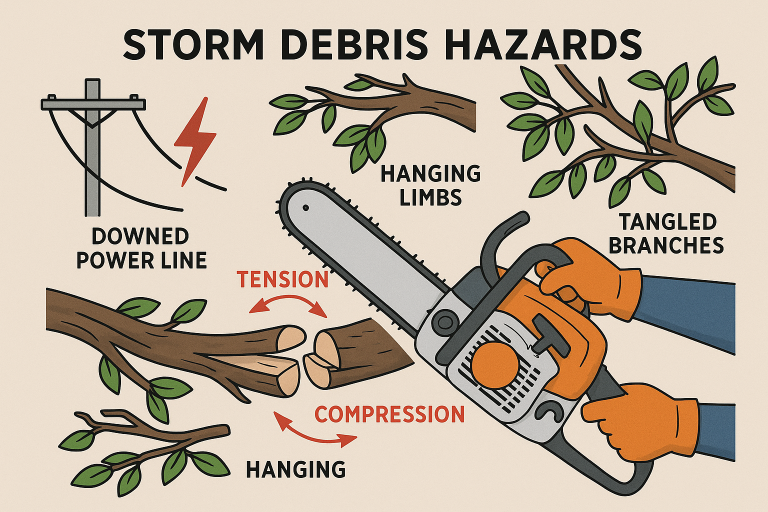
Researches from OSHA reveal around 30 percent of chainsaw injuries occur whilst post-storm cleanup. While cleaning the site, be aware that branches of fallen trees are dangerous. Saford said that there are three main reasons. First of all, the branches of the tree could be under great tension. Secondly, part of the trunks might be supported. Lastly, there are hidden dangers under decks.

👉Pre-Cut Safety Check before Storm Cleanup

Before dealing with it, take a close observation of the dialogue situation:
Check for power cables:
In case a tree is adjacent to power electrical lines, stop. Reach out to your local utility company for help. Do NOT touch the tree yourself.

Compression and decompression grooves:

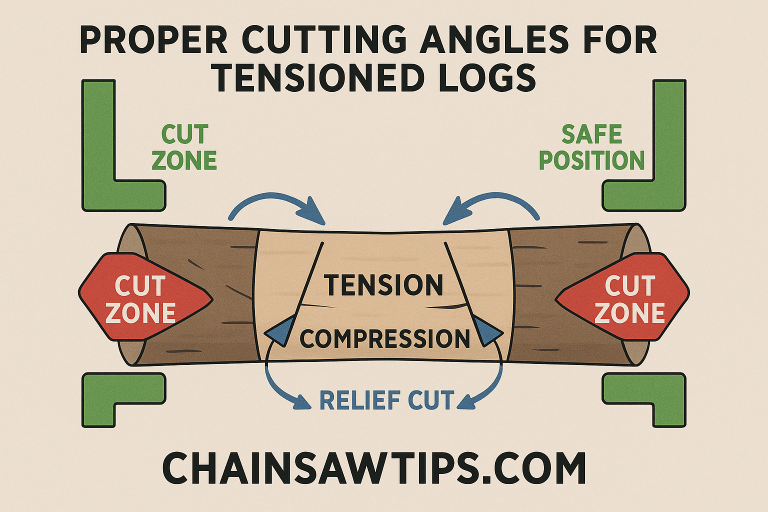
Trees brought down by storms also behave something like highly welcomed springs. Standard procedures before checking groove compression and decompression are: Stretching or squeezing areas may snap or shift after cutting.

Be geared up properly:

  •  Hard hat
  • Cut-resistant chaps
  •  Gloves and steel-toed boots
  •  Eye and hearing protection.

Before moving forward, learn more about safety gear.

Chainsaw Safety for Storm Cleanup

👉Storm Cleanup: Procedures for Cutting Storm-Damaged Trees

To cut safely, follow these procedures in order:

  1. Relieve Tension First
  2. Make shallow, small cuts to relieve pressure buildup within limbs and trunks.
  3. Implement Top and Bottom Cut
  4. Make a shallow cut, then finish the cut on the tension side (saw’s bar pinching side). 
  5. Work Outside Inwards

Smaller branch cuts are done before larger sections. Reduces the likelihood of large, tangled limbs shifting unpredictably.

Chainsaw Safety for Storm Cleanup

👉Handling Common Storm Problems

⚠️ Tangled Branches: Important Chainsaw Safety for Storm Cleanup

Cut each branch individually. Always observe how cutting one will affect the balance of others.

⚠️ Overhead Hazards ("Widowmakers")

Avoid standing under hanging limbs. If reachable, use a telescoping pole saw. Otherwise, hire a certified arborist.

Cutting Safety Tips.

  1. Always remain nearby for assistance or help; never work alone.
  2. Keep escape routes clear – Have a means to move diagonally away if there is an unexpected shift with the tree.
  3. Shut off the saw – While changing position, always turn the saw off or, when walking, engage the chain brake

Chainsaw Safety for Storm Post-Cleanup Maintenance

After finishing the work, inspect the chainsaw closely:

  • Check for any cracks or damage that could be caused by the debris collision.
  • Air filters, which clog up quickly during storm cleaning, should be cleaned.
  • The chain must be sharpened; dirt and bark quickly dull the teeth.

🛑 Myth vs. Fact

Myth: Any object can be cut through using a chainsaw.

Fact: The only object a chainsaw can cut is wood. Anything else, like dirt, metal, or even concealed things like nails and wires, will damage the chain and increase the chances of kickback due to the chain getting seriously worn out by cuts to non-wood.

Conclusion

Cleaning up debris after a storm is undeniably dangerous work. However, with the right preparation and safety measures, it becomes far more manageable. Above all, remember that patience and caution are your greatest allies when operating a chainsaw in post-storm conditions. Before making any cuts, take time to assess each fallen tree for tension points, overhead hazards, and hidden obstructions. Moreover, always wear proper protective equipment and maintain a clear escape path.

Once you’re ready, approach the task with steady hands and a clear plan. Instead of rushing, focus on making deliberate, well-thought-out cuts. This not only protects you from injury but also ensures the job is done right. As a final note, keep in mind that while storm cleanup may feel overwhelming at first, decisive and methodical action is the most effective way to overcome the challenge.

In conclusion, the key to safe and successful storm damage cleanup lies in preparation, caution, and confidence. Stay alert, work smart, and let safety guide every move you make.

✅ Stay Safe Cut Smart

📌FAQs

"Can I use a chainsaw on wet wood?"

Yes, but dry wood is safer (reduces slipping risks).

"How often should I prune?"

Annually, for most trees: flowering shrubs after blooms fade.

Related Post

1 thought on “Storm Damage”

Leave a Comment

Your email address will not be published. Required fields are marked *