
Chainsawing Bamboo: Tools and Techniques.

Introduction

Unlike trees, bamboo is much more fibrous and dense, which makes it easier to both splinter and aggressively regrow. These unique issues need to be surgically addressed, so the bamboo is neither damaged nor left behind to bludgeon future cleaving attempts. Hence, chainsawing bamboo or using any other tools should not only involve sound practices but also strategic decisions. Careful selection of cuts, combined with proper tools, will lead to streamlined processes, such as removing patches of overgrown bamboo stems.

This guide will walk you through the optimal and best chainsaws for bamboo, indispensable pieces of safety equipment, and intelligent cutting techniques that incorporate efficient tackling of bamboo sapling resprouts. So, let’s put together a kit that incorporates all the diverse gear that enhances efficiency whilst enhancing safety in performed tasks.

Appropriate Equipment Required: Chainsawing Bamboo

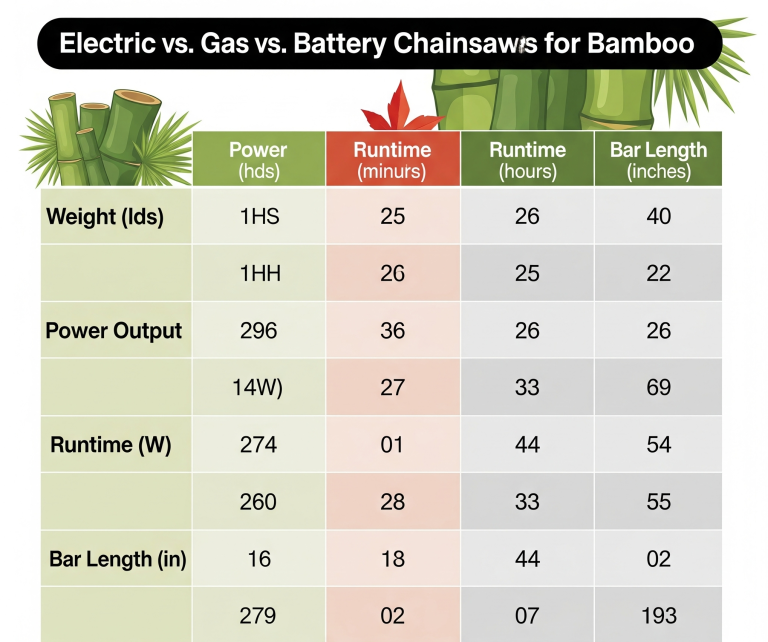
The first step to successful bamboo removal is selecting the right type of chainsaw. Depending on the scale of your project, you’ll choose between electric, battery-powered, and gas chainsaws. For smaller, backyard jobs, electric or cordless chainsaws are typically sufficient. They’re lighter, quieter, and require less maintenance. However, gas-powered models excel in large-scale or dense bamboo thickets due to their unmatched power and stamina.

The best saws for bamboo are not just determined by power; rather, they depend on how often and how intensely the specific task will be performed. For assessing the ability to cut, consider the engine power in cc (for gas models) or volts (for battery models). Moreover, chainsaws with adjustable settings provide better control when dealing with different sizes of bamboo stalks.

Equally important is determining the right Chainsaw Bar Length. For bamboo, a 12” to 16” bar usually provides sufficient reach while maintaining manoeuvrability. Increased length will likely hinder ease of use due to the tight cluster growth habit exhibited by many species of bamboo.

chainsawing bamboo

Primary Safety Procedures for Chainsawing Bamboo

While felling hardwood trees may pose more broadly recognized risks, bamboo can be equally perilous if not handled properly. The risk of splintering stalks, dense cluster management, and kickback all necessitate proper safety gear for chainsaw is designed specifically for chainsaw work.

Main Safety Equipment Checklist For Controlled Power Tool Cutting:

  • Face shield helmet: Protection from flying debris.
  • Safety earmuffs: Important with louder gas models.
  • Eyewear: Goggles or safety glasses are recommended to prevent splinter exposure.
  • Cut-resistant gloves: Provide enhanced grip while protecting against cuts.
  • Chainsaw chaps: Guard legs from inadvertent contact.
  • Protective footwear: Avoid injuries sustained from falling lengths of bamboo or chainsaw drops.

In addition, following safe operating practices is very important. Survey your workstation, clear your stepping zone, and do not perform cuts above shoulder height. Before beginning, always ensure you’re properly equipped with Safety Gear for chainsaws, including gloves and protective boots. Operate the chainsaw with both hands on the controls while standing firmly balanced, especially on slippery or uneven bamboo terrain.

Techniques for Efficient Removal of Bamboo

Cutting through bamboo cannot be done using sheer power alone. Because it is hollow and segmented, applying certain techniques helps ensure cleaner cuts with reduced risk of injury while increasing efficiency.

  1. Do not angle cuts: Horizontal, rather than vertical cuts, are most effective and safer too.
  2. Work from the base up: Prioritize tall stalks that you can reach from the ground level.
  3. Sharpen your chain: Stale, dull edges only increase kickback and cause uneven pressure to be applied on the wood.

Moreover, differing densities mix in various types of bamboos. These higher speeds need slower paces and thicker varieties faster, while thinner ones tend to go at quicker speeds. Selecting the right chainsaw bar length plays a crucial role in this shorter bars offer better control for thinner stalks, while longer bars are more efficient for cutting through dense clusters.

Numbered List: Step by step guide to Cutting Bamboo with a Chainsaw

  • Always maintain checked safety measures, including all recommended safety gear for chainsaw operations. 
  • Surveying areas would gently involve looking around as well as marking brackets and stalks intended for removal. 
  • Set joists above nodes referencing towards eye level so it stays within a relaxed range for holding the saw, since balanced arms make things stable!
  • Use gentle but firm pressure until the stalk is cleanly cut through.  

Work methodically to prevent redundant cutting and the accumulation of debris.  

As noted, the Best Chainsaws have smoother control for ease of use, quick chain tensioning, and comfort grip handles, which makes safe and easy performing these techniques possible. 

Maintaining Your Chainsaw for Optimal Bamboo Cutting

Bamboo may be softer than hardwood materials, but its fibrous nature can dull chains quickly. Thus, systemized maintenance is essential for safety and efficiency in ways to tackle them.

Best Practices Include:

  • Chain sharpening: Do this regularly to maintain clean cuts and reduce motor strain.
  • Tensioning: Adjust chain tension frequently to avoid slippage or derailment.
  • Lubrication: Use proper bar and chain oil to minimize friction.
  • Air filters and spark plugs: Keep them clean for consistent engine performance.

Maintenance doesn’t just extend tool life it ensures your chainsaw remains one of the Best Chainsaws for bamboo and beyond. Go through this 5 expert tips for chainsaw maintenance.

Chainsawing Bamboo
A close-up of a chainsaw chain being sharped

In summary, bamboo management is a never-ending task. It can, however, be made effective and efficient with proper strategies, regular maintenance, and using the Best Chainsaws for the job.

🎥Best Chainsawing Bamboo

Beyond the Cut: Dealing with Bamboo After Chainsawing

The work continues after cutting. It is important to address post-cut measures because bamboo is infamous for regrowing very quickly. To prevent regrowth,
  • Applying herbicides on the fresh stumps hinders sapling shoots.
  • Root barriers can be placed to capture rhizomes below ground level.
  • Regular mowing or cutting new sprouts can deplete the root system’s energy reserves.
Ultimately, bamboo management is an ongoing process. However, using effective techniques, consistent follow-up, and the Best tool at hand for the task makes it sustainable and efficient. Explore expert strategies for controlling and repurposing bamboo growth by Bamboo Management by the American Bamboo Society

Conclusion

This guide empowers you to approach Chainsawing Bamboo with confidence, knowing you’re using the right tools, protective gear, and sustainable methods. With diligence and the Best Chainsaws in hand, even the most stubborn bamboo stands no chance.

✅ Stay Safe, Cut Smart.

📌FAQs

What type of chainsaw is best for cutting bamboo?

Battery-powered or light gas chainsaws with a bar length between 12″–16″ are typically best for bamboo.

Do I need special safety gear to cut bamboo with a chainsaw?

Yes. Always wear Safety Gear for Chainsaw operations, including gloves, chaps, and goggles.

How do I prevent bamboo from growing back after cutting?

Use herbicide on the cut stumps and install root barriers. Frequent trimming also helps.

How important is chainsaw maintenance for bamboo work?

Very important. Regular sharpening, oiling, and cleaning ensure efficiency and safety.

Can bamboo dull my chainsaw quickly?

Yes. Bamboo’s fibrous makeup wears chains faster, so sharpen the chain regularly and clean your tool after use.

Related Post

Leave a Comment

Your email address will not be published. Required fields are marked *