Chainsaw for Milling: Convert Your Saw for Lumber Production.
Introduction
Thought it would be cool to turn scrappy logs into neat boards people want? So do lots of other weekend builders, and the good news is that getting started costs little if you already own a sturdy chainsaw. Chainsaw milling makes it possible to transform raw timber into custom boards right at home. Echo Chainsaws, prized for their consistent power and easy handling, have become the go-to choice whether you’re just building shelves or crafting whole furniture sets.
Table of Contents
ToggleWith that saw, you can pull a fallen tree from the woods, peel off the bark, and slice clean planks right in your driveway. Moving from idea to fresh boards requires only a few tweaks to the machine, a handful of basic tools, and a steady commitment to safety. Inside this guide, you’ll find advice on picking the right chain, keeping it sharp, and setting up the workspace so nothing unexpected turns into a trip to the emergency room.
Whether you’re cutting your first slab or simply weighing the jump to a premium saw, follow these steps and watch the pile of good lumber grow.
Why Mill Your Lumber with a Chainsaw?
Milling at home is surprisingly easy and far more satisfying than picking random boards at the big box store. When you do the work yourself, you:
- Trim dollars off the price of finished lumber.
- Request cuts that fit your project exactly, from wide tabletops to tiny inlays.
- Turn storm-felled or hazard trees into usable stock rather than letting them rot.
- Feel the quiet pride that comes from turning knotted wood into clean, usable planks.
While Premium Chainsaws offer the muscle for larger jobs, a small chainsaw can still tackle light milling and prep work, so don’t overlook it as a handy add-on.
Essential Gear for Chainsaw Milling
Chainsaw for Milling - Choosing the Right Saw
Chainsaws are not one-size-fits-all when you intend to mill. If you want to turn your favourite cutter into a mobile lumber factory, keep these points in mind:
- Engine Size & Power: Aim for at least 50cc if you plan to slice through stubborn hardwood.
- Durability: Makers like Echo put out models that shrug off grime, run cool, and keep working season after season.
- Chainsaw Bar Length: Longer bars let you peel wide slabs, so think 20 inches or more for beefy logs.
- Chainsaw Drive Length: Match it to your milling jig so the chain glides smoothly under load.
For a blend of power, dependability, and price, Echo remains the go-to brand, especially for milling novices.
Chainsaw Milling Attachments - Your Portable Sawmill
No mill runs solo, so grab a guide and keep your cut true:
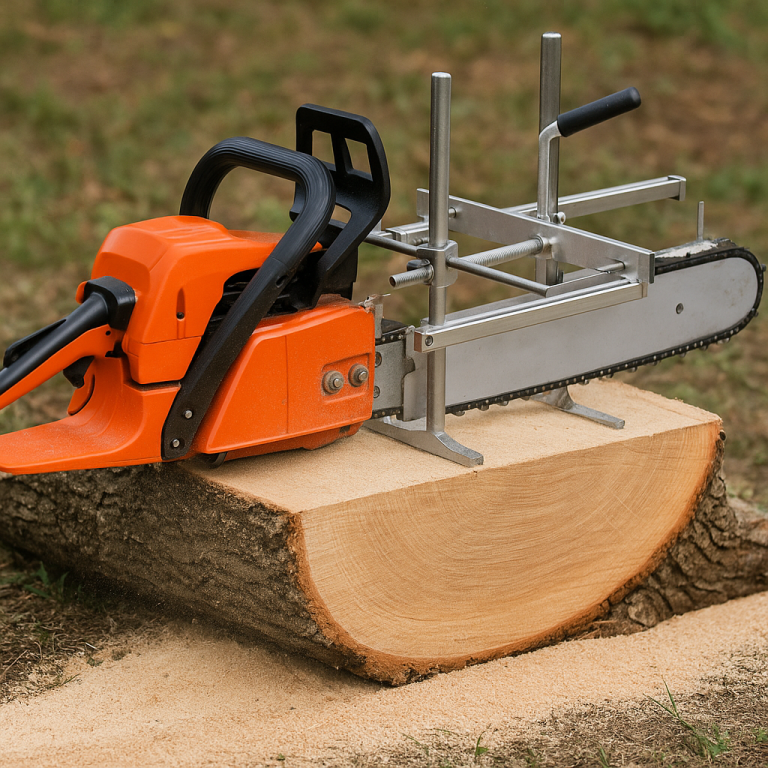
- Alaskan Mill: This classic clamp-on unit rides a rail and lets you cut planks straight off the log.
- Mini-Mill: A compact cousin, ideal for edging or tackling small stock without the fuss.
These simple yet sturdy guides clamp to the log and run with the bar, pulling the saw along a straight path so each board ends up the same thickness. For the cleanest cut, pair them with a ripping chain built for milling in fact, that chain cuts slower but shakes less, leaving a glassy surface you can skip sanding. To maintain smooth cuts and protect your equipment, regular chainsaw chain sharpening is essential especially during extended milling sessions.
Beyond the Saw: Other Essential Tools
- Safety Gear: Helmet, chaps, gloves, eye, and ear protection.
- Measuring Tools: Tape measure, levels, guide rails.
- Felling Wedges & Log Dogs: To secure and stabilize logs.
- Lumber Stacking Supplies: Stickers and a dry, shaded storage spot for drying.
- Sharpening Machine: For chainsaw chain sharpening.
Preparing Your Chainsaw and Logs for Milling
Optimizing Your Chainsaw for Milling Performance
When you’re milling, chainsaw chain sharpening becomes almost a ritual. Let the teeth go dull, and the motor overworks, your cut wanders, and only bad habits travel home. So to keep the saw happy and the job moving, do the following even if it’s a small chainsaw: Sharpen the chain before you start and touch it up whenever you hear it grunt.
Keep the tension snug; a loose loop invites kickback.
Oil the rails and teeth often most pro millers carry a bottle on their belt.
Finally, wipe the filters and check the air in the tank; that routine is why many users swear by Echo’s saws for jobs like these.
Selecting and Preparing Your Logs
Not every log is ready to go. For the best job:
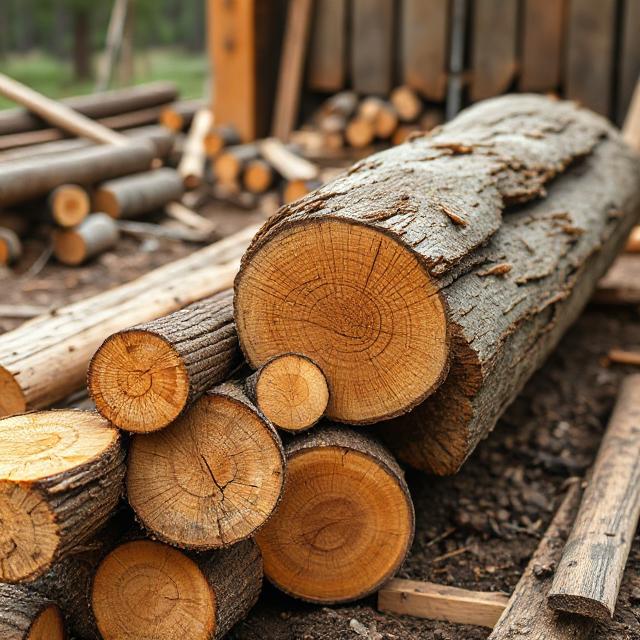
- Pick straight timber at least ten inches wide and free of soft spots.
- Look for classic species, like oak, walnut, or cedar, that suit your project.
- Strip the bark if needed, then pin the log with wedges or dogs.
The Milling Process: Step-by-Step
How to Use a Chainsaw for Efficient Lumber Production
- Follow these steps for steady, clean slabs:
- Set your first guide cut with a ladder, beam, or rail that holds level.
- Clap the mill to the bar; double-check that the chain and drive match.
- Make the next passes, tweaking thickness to match your board spec.
- Stack the green slabs in the shade, letting air move around each face.
- Safety first- stand clear of the chain, wear PPE, and remember your bar length and cap width.
🎥 All You Should Know For Chainsaw for milling Process
Conclusion
Turning your regular chainsaw into a small milling rig is one of the handiest upgrades a DIYer can pull off. Whether you’re salvaging storm-felled trees or milling fresh logs from the woodlot, a sturdy Echo saw and the right bars and chains let you do the work quickly and with a real sense of achievement.
Learn the fundamentals, keep your cutter sharp-literally-and you’ll soon love the simple freedom of turning raw logs into usable boards.
✅ Stay Safe, Cut Smart.
📌FAQs
The best stand is one that fits your chainsaw securely, supports your workflow, and can be built affordably from scrap materials.
Yes, you can adjust the platform size and cradle position to accommodate different chainsaw chain lengths.
A chainsaw mill stand holds lumber horizontally and supports slab cuts, while cutting stands are for firewood or general use.
Related Post
Chainsaw Vibration: How It Affects Your Health and Safety.
Chainsaw Vibration: How It Affects Your...
Read MoreWhat do chainsaw injuries teach us about safety?
What do chainsaw injuries teach us...
Read MoreChainsaw Training for Beginners: Essential Safety & Usage Tips.
Chainsaw Training for Beginners: Essential Safety...
Read MoreWhich chain is better, carbide chain or steel chain?
Which chain is better, carbide chain...
Read More