Protect Yourself: Essential Safety Gear for Chainsaw Users
The speed of a chainsaw’s chain can easily exceed 60 miles per hour. Therefore, one small mistake can flip your world upside down in an instant. Like any other powerful machinery, a chainsaw demands respect and caution. As a result, wearing Essential Chainsaw Safety Gear becomes not just advisable but absolutely necessary. In fact, proper gear can be the difference between a minor incident and a life-altering injury. Before starting any task, you must equip yourself with the right protection. Consequently, this reduces risk and increases your confidence while operating the tool.
Table of Contents
ToggleAccording to CDC (Centers for Disease Control and Prevention) data, in the U.S. alone, chainsaws are responsible for roughly 36,000 injuries per year, including deep lacerations, eye injuries, and even possible tinnitus. The rise in injuries can be linked to the reckless handling of power tools. Luckily, donning the correct PPE (Personal Protective Equipment) can reduce the chances of sustaining life-threatening injuries by up to 90%. For a better understanding of how these powerful tools evolved, read history of chainsaw and how their development shaped modern safety standards.
List of 10 key pieces of equipment: Chainsaw Safety Gear
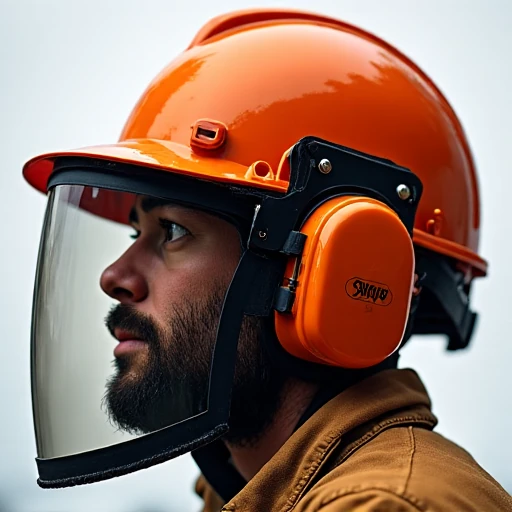
🛡️ 1. Chainsaw Helmet System
- To begin with, always wear a hard hat to protect against top impacts from falling branches or debris this is one of the most important Essential Chainsaw Safety Gear.
- In addition, use a mesh or plastic face shield to guard your face from flying sawdust and sharp wood chips.
- Moreover, include earmuffs as part of your gear since chainsaws can exceed 100 decibels, leading to potential noise-induced hearing loss.
- As a result, this protective combination helps reduce injury risk during chainsaw operations.
- Ultimately, proper head, face, and ear protection plays a vital role in ensuring long-term safety.
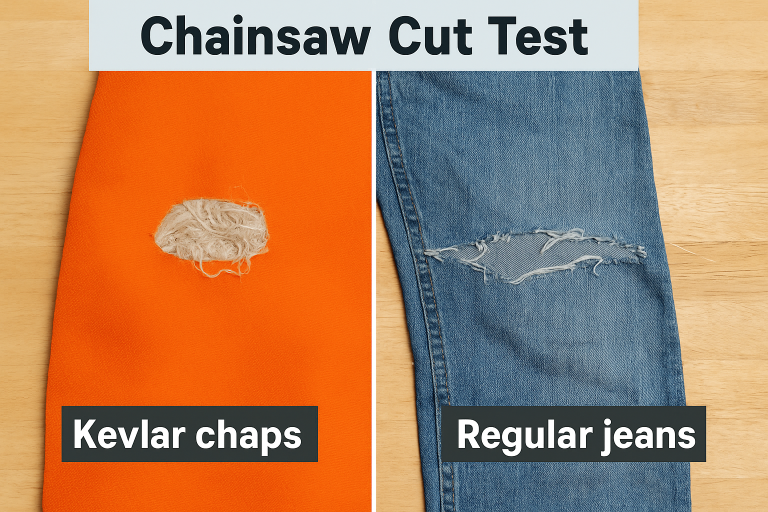
🦺 2. Cut-Resistant Chaps or Pants: Essential Chainsaw Safety Gear
Material: Kevlar or ballistic nylon, which is made to capture the chain at once as soon as it touches the material.
🚦 Pro highlight: Do your search for Type A chaps, which protect from the front of the leg, or Type C pants, which are full wrap-around protection that covers both legs for complete chap protection.
👓 3. Safety Glasses Or Goggles
✅ Why it matters: ANSI Z87.1-rated eye protection stops dangerous wood chips and splinters from reaching your eyes. Sunglasses or regular glasses are not enough!
Safety Gear for chainsaw begin with, protecting your eyes should always be a top priority when operating a chainsaw. While the tool cuts through wood with remarkable speed, it simultaneously throws out sawdust, splinters, and even small flying debris. Therefore, wearing safety glasses or goggles becomes not just a suggestion but a necessity. Moreover, unlike standard eyewear, these protective tools are specifically designed to shield your eyes from both direct impacts and side particles. In fact, many models come with anti-fog features and UV protection, which are particularly useful during extended outdoor work. Additionally, if you wear prescription glasses, you can opt for goggles that comfortably fit over them without sacrificing safety. As a result, you not only maintain clear vision but also significantly reduce your chances of eye injuries. Ultimately, using proper eye protection ensures you can continue working safely and efficiently with minimal risk.
🧤 4. Grip & Cut-Resistant Gloves
✅Why it can be fundamental: First and foremost, it adds a vital layer of protection from slipping the hand. Moreover, the rough material effectively aids in imbuing slip resistance especially in cold, warm, as well as damp environments. Consequently, this improves both grip and overall control while operating the chainsaw
👢 5. Steel-Toe Boots
✅ Why it matters: Without a doubt, chainsaws can slip during operation. Therefore, wearing steel-toe boots with ankle protection is essential. Not only do they prevent crushing injuries, but they also guard against deep cuts to your feet in the event of accidental contact.
🚧 6. High Visibility Vest
✅ Why it can be important: Especially when working out with a group or alongside traffic on the road during wet or low-light conditions, wearing a high visibility vest significantly helps you stay visible. Moreover, it protects your eyesight from inadequate lighting and reduces the risk of accidents caused by visual deception.
🎧 7. Protecting Your Hearing
✅Why it matters: Hearing protection is crucially important when using a chainsaw because the noise levels can easily exceed 100 decibels, which can cause permanent hearing damage over time. Therefore, wearing earmuffs or earplugs not only reduces the risk of noise-induced hearing loss but also helps you maintain focus and awareness while working. In addition, consistent use of hearing protection prevents fatigue and distraction caused by loud engine noise. Ultimately, investing in proper hearing gear ensures your long-term safety and comfort during every chainsaw operation.
✋ 8. Indispensable Chainsaw Safety Apparel: (Chainsaw glove right hand)
✅ Why it matters: Wearing a chainsaw glove on your right hand is extremely important because it provides critical protection against cuts and abrasions, which are common hazards when handling a chainsaw. Moreover, this glove often features reinforced materials that help resist slipping, giving you better grip and control over the saw. In addition, the glove acts as a barrier against vibrations, reducing hand fatigue during prolonged use. Therefore, using a chainsaw glove on your right hand not only enhances safety but also improves comfort and precision, making every task safer and more efficient.
✋ 9. Respirator or dust mask
✅ Why Essential Chainsaw Safety Gear Matters: For long periods of cutting wood, especially indoors and with dry timber, a mask prevents inhalation of sawdust that can be irritating to your lungs.
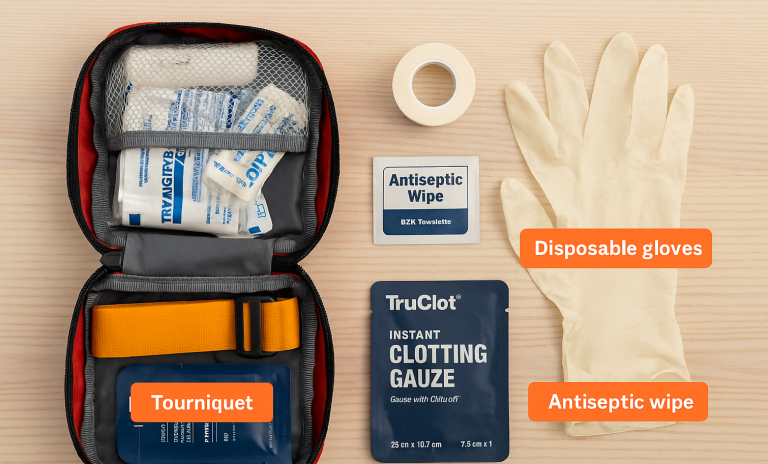
🚑 Must-Have Chainsaw Safety Kit
Why it matters: It’s important to keep a kit that has trauma items like tourniquets, blood-clotting gauze, and other essentials readily available you might only have moments to assist an injured person.
⚠️ Common mistakes to avoid for essential Chainsaw Safety Gear
❌ Not wearing chaps – “It’s just one log” can spell disaster.
❌ Using sunglasses instead of safety glasses – they don’t meet impact standards.
❌ Loose clothing – baggy sleeves pose a risk of getting caught in the chain.
✅ Final checklist
Go through this quick Mandatory Chainsaw Safety Apparel
- ✔ Ear protection
- ✔ Chainsaw glove
- ✔ Hi-vis vest
- ✔ Steel-toe boots
- ✔ Gloves
- ✔ Safety glasses
- ✔ Pants/chaps
- ✔ Face shield and helmet
- ✔ Sticking to chainsaw safety routines is essential. It can mean the difference between an efficient day in the woods versus a life-altering accident.
Conclusion
If you make the right choice in personal protective equipment (PPE) like helmets, gloves, chaps, and steel-toed boots, you greatly enhance your safety and lessen the likelihood of injury. Never forget that the most skilled of users are still vulnerable to a variety of dangers, such as kickbacks, falling branches, or projectile debris. Equip yourself thoroughly, perform regular tool inspections, and do not skimp on safety measures.
👉 Want more chainsaw tips? Explore our guides on How to Safely use a chainsaw on fallen trees
✅ Stay Safe Cut Smart
📌FAQs
No—call a professional. One wrong cut could collapse the structure.
Stop immediately; replace the chain to avoid shattering
Related Post
Chainsaw First Aid Kit: What Every User Should Have
Chainsaw First Aid Kit: What Every...
Read MoreHow to Use a Chainsaw on a Ladder? (Safely and Effectively)
How to Use a Chainsaw on...
Read MoreFast Charging Tips for Battery-Powered Chainsaws.
Fast Charging Tips for Battery-Powered Chainsaws....
Read MoreWhat to Know Before Buying a Second Battery for Your Chainsaw
What to Know Before Buying a...
Read MoreHow to Start a Flooded Chainsaw: Quick Troubleshooting Tips.
How to Start a Flooded Chainsaw:...
Read More