Chainsaws Under $200: Your Budget Buying Guide.
Introduction
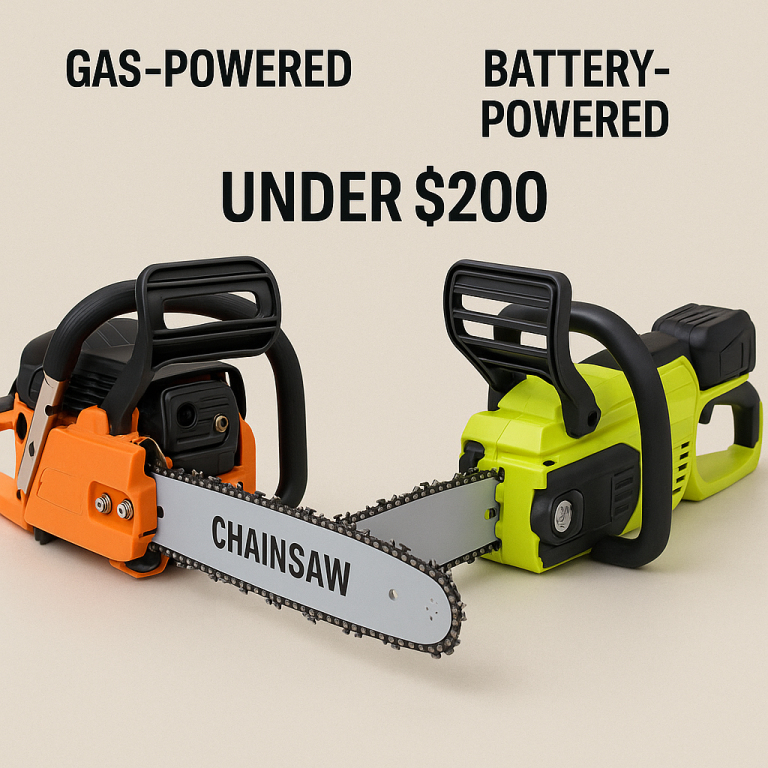
Having a chainsaw makes outdoor chores such as limbing, pruning, or even light felling much simpler. However, not everyone desires or is willing to pay for a professional-grade machine. For casual users, DIYers and homeowners, Best Chainsaws Under $200 provide an effective and budget-friendly option. Even though these models may lack the raw power and endurance of higher-end saws, they are becoming more reliable and versatile.
Table of Contents
ToggleIn this guide, we will discuss the value that budget chainsaws bring to your toolkit, factors to consider when buying one, and how to maintain them in good condition for years to come. We will also strive to determine if a sub-$200 chainsaw would suit your needs, or whether a more robust model is a better investment.
Benefits of Chainsaws Under $200
Budget-friendly chainsaws do not skimp on features and provide extra advantages for users with light to moderate cutting requirements. Here are a few key benefits:
- Price: This is, hands down, the most interesting feature. Performance does not take a hit with these models, ensuring they are cost-effective and provide value.
- Ease of use: Because of the fewer features these saws include, they are often easier to operate and maintain, making them simpler overall.
- Easy to Use: Several budget options have a smaller form factor which enhances their convenience when it comes to movement during cutting or trimming of trees.
- Silent Operation: Spending on chainsaws with lower prices tend to be electric or battery operated which makes them quieter and has lesser emissions.
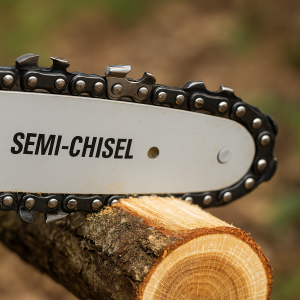
In addition to this, a number of these chainsaws provide a smooth cut and a good finish when fitted with a semi chisel chain and properly maintained.
For additional comparisons and tested recommendations across both gas and electric models, you can check out Better Homes & Gardens’ curated list of the best chainsaws which highlights top-rated options across various price points including some excellent picks under $200.
Budget Chainsaws Drawbacks
Regardless of the advantages, lower priced chainsaws have drawbacks. These are trade offs that should be carefully considered.
- Lower Model Power: In comparison to other models, lower priced options usually have reduced power which makes cutting through thicker or hardwoods more challenging.
- Restricted Bar Length: A majority of chains saws priced below two hundred dollars come with a restricted bar length of 10 to 16 inches which limits their felling ability.
- Life Span: Weaker materials tend to have a reduced lifespan durability especially when used heavily.
- Minimal Features: High priced features such as vibration reduction, advanced ergonomics, or automatic chain oilers may be absent.
Thus, these tools are best suited for light jobs such as yard cleanup, occasional wood cutting, and limbing instead of heavy logging work.
What To Look For When Buying Chainsaws Under $200
- Power of Engine: For gas models, power should not be less than 30-40cc. When purchasing electric tools, it’s better to have higher amp or voltage ratings.
- Bar Length: For small to medium tree branches, a 14-16 inch bar length works best.
- Chain Type: Semi-chisel chains strike a nice balance between cut precision and maintenance on cheaper saws.
- Safety Features: Look out for handguards, chain brakes, and anti-kickback features also go through Guide to Chainsaw Safety Gear
- Battery Life (for cordless): Runtime for batteries differs greatly between models. Look for lithium ion batteries with shorter recharge times.
- Weight & Ergonomics: Lighter tools are less fatiguing, which is crucial to less experienced users.
- Build Quality: Look up reviews and materials to make sure the tool can withstand moderate use.
Maintenance Tips for Longevity for Chainsaws Under $200
All users will need to maintain even the best chainsaws under $200. To keep it in shape, consider the following:
- Clean After Each Use: To prevent debris buildup, clean the chain, bar, and housing.
- Sharpen the Chain Regularly: Reduced tear-out and a clean finish can be achieved with a sharp chain.
- Check Tension Frequently: A loose chain is dangerous, so always check tension before use.
- Oil the Bar and Chain: Friction and wear can be reduced with proper lubrication, whether manual or automatic.
- Store Properly: The tool should be stored in a dry, dust-free environment, preferably in a case.
- Check for Wear and Damage: Examine for any cracks, damaged cords, or loose screws every time you use the equipment.
User Profiles: Who Would Need a Budget Chainsaw?
Not everyone would benefit from budget chainsaws. Let us examine who stands to benefit more from these tools:
- Homeowners: Excellent for occasional tree cutting, yard maintenance, and post-storm cleanup.
- DIY Enthusiasts: Ideal for woodworkers and small construction projects that require sharp, smooth edges.
- Novice Users: Excellent for entry-level power tool operators due to the lower risk.
- Gardeners and Urban Arborists: Suitable for light-duty felling limbs without the need for high-priced models.
Professionals such as loggers and full-time arborists need heavy-duty equipment, often exceeding $200, designed for intense use with specialized advanced features, high-calibre performance, and increased longevity. The Spruce provides detailed guidance in their chainsaw buying guide, perfect for selecting an affordable, task-appropriate model for your new project
🎥 Watch this Chainsaw under $200 Review Highlight
Want to see a real-world demonstration of a budget chainsaw in action? Check out this video:
Conclusion
In conclusion, Chainsaws Under $200 are perfect tools to have for homeowners, hobbyists, and infrequent users. Although they won’t meet the demanding needs of professional logging or arborist work, these tools serve well. You enjoy years of reliable service by following key feature recommendations and regular maintenance.
✅ Stay Safe, Cut Smart.
📌 FAQs
Yes, but only small trees. For anything over 12–14 inches in diameter, consider a higher-end model.
Absolutely, especially for small jobs. Corded models offer consistent power, while battery-powered versions offer portability.
With proper maintenance, a good model can last 3–5 years under light use conditions.
Related Post
Echo chainsaw CS-590 vs CS-400: Which Chainsaw to Buy?
Echo CS-590 vs CS-400: Which Echo...
Read MoreDeWalt vs. Milwaukee Chainsaws: Head-to-Head Review.
DeWalt vs Milwaukee Chainsaws: Head-to-Head Review....
Read MoreMakita vs DeWalt Chainsaws in 2025: Who Wins the Power Battle?
Makita vs DeWalt Chainsaws in 2025:...
Read MoreHusqvarna vs Echo: Find Your Perfect Chainsaw.
Husqvarna vs Echo – Finding Your...
Read MoreHusqvarna vs. Makita: Chainsaw Comparison Guide
Husqvarna vs. Makita: Chainsaw Comparison Guide...
Read MoreEcho vs STIHL Chainsaws: Which Is Best for You?
Echo vs STIHL Chainsaws: Which Is...
Read More