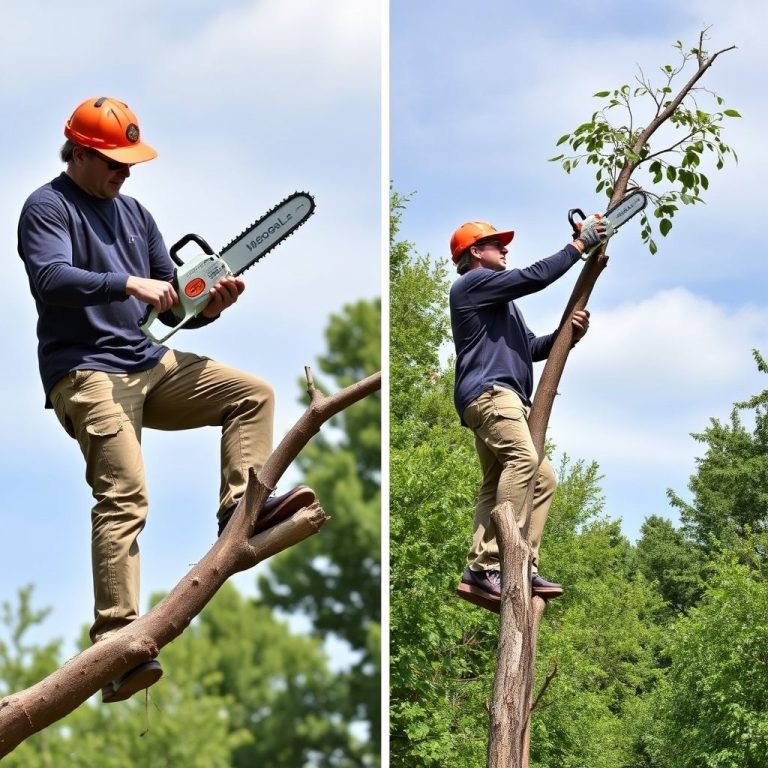
Chainsaws for Small Branches: The Definitive Buying Guide.

Introduction

Keeping a garden tidy often involves controlling persistent small branches and overgrown shrubs. Hand tools such as pruning saws, loppers, or even hedge clippers are helpful, but with thicker limbs and repetitive tasks, they will struggle to get the job done. This is where mini Chainsaws for Small Branches shine: they are small in size yet lightweight and can be used incredibly efficiently. Perhaps most importantly, they provide greater precision during quick yard clean-ups. This article will guide you on how to select from the variety of chainsaws available in the market by going over their key features, along with safety tips, crucial comparisons, and more.

👉 Make sure you check out our general guide on chainsaw safety before starting.

Why a Mini Chainsaw? The Perfect Tool for Precision Pruning

The difficulty of performing certain tasks can often make us physically approach them with abnormal means. Custom designs always tend to be opted for as big solutions, which are wrong, while trimming or tree pruning makes it so useful. 

In addition, a compact chainsaw is ideal for tight spots. It is light enough to be used overhead or one-handed (with care). Its short bar length facilitates clean and precise cuts. Unlike other manual pruning saws that are exhausting and slow, this tool makes fast work of the job without hard physical exertion.

chainsaw for small work

Most Important Features When Selecting Chainsaws for Small Branches

With tools, price can be an important factor, but not in isolation. The following features should also be taken into consideration:

🔋 Power Supply

  1. Cordless (Battery-Powered): This is the most preferred option amongst homeowners. These battery chainsaws have low noise levels and are easy to operate while adding mobility. For optimal performance, pick models with 20V–40V batteries and a minimum 2.0Ah runtime.
  2. Corded Electric Chainsaws: A great option if you expect easy access to power outlets. They are easier than battery-powered ones since they provide constant power and do not run out of charge midway through the task.
  3. Gas-Powered Chainsaws: While powerful, these are usually overkill for light branch work. In addition to being noisy, they require more maintenance, which results in additional costs.

🪵 Bar Length

A shorter bar from 4-6 inches gives greater control due to less kickback risk and aids in pruning limbs up to 4 – 6 inches in diameter.

⚖️ Weight and Ergonomics

Paying attention to a chainsaw’s weight is important as it reduces fatigue for overhead and prolonged tasks. Look for soft-grip handles for balanced weight distribution, which eases wrist and shoulder strain. 

🛡️ Safety Features

  • Trigger lockouts  
  • Chain brake and handguard  
  • Low-kickback chain  

These prevent accidental starts while reducing the risk of injury. 

🛢️ Automatic Oiler

Enhancing cutting performance, an automatic chain oiler allows the bar and chain to remain properly lubricated. This also prolongs the life of the tool.

🔧 Tool-less Chain Tensioning

Perfect for beginners, this feature enables quick mid-job adjustments, making it possible to change the tool’s chain tension without needing any tools. 

Mini Chainsaw vs Pole Saw: Choosing The Right Tool

Both tools have their place in a well-equipped garden shed. Here’s how to decide between them:  
  • Use a Mini saw for more controlled, precision cuts, lower branches, and denser materials. It’s much easier to control up close, allowing you to work in tight spots.  
  • Use Pole Saws when you need to reach high branches without a ladder. Many tree trimming tools in this category come with telescoping handles for safer ground-based work.
🔗 For those considering tasks involving elevated branches, a deeper dive into selecting the right Pole Saw can be immensely helpful at homedepot.com

Essential Personal Protection Equipment: Safeguarding Yourself

No matter how compact your chainsaw or Pole saw is, safety measures should never be compromised.
Essential PPE:

  • Chainsaw Chaps: These protective leg garments are engineered from high-strength materials that can halt a running chain.
  • Safety Glasses/Face Shield: Safeguard your eyes against flying particles.
  • Hearing Protection: While some headsets are quieter than others, they may also require ear protection for specific tasks.  
  • Gloves: Reduce vibration impact and provide grip.
  • Sturdy Footwear: Ensure closed-toed boots with non-slip soles.

Maintain stability while standing and maintain an ergonomic pose. Have a balanced posture, stay mindful of your surroundings, and keep aware of the position of your chain bar throughout.

Chainsaw myths
Always prioritize safety: Essential gear for any chainsaw operation.

Maintenance Guidelines for Small Branches Using Your Chainsaw

Here is how to properly tend to your tool:

  • Replace dull chains or sharpen them regularly.
  • Check and refill bar oil before every use.
  • Charge fully before storing battery models and avoid extreme temperatures. 
  • Perform cleanup right after every use removal of sap build-up enhances performance.  
  • Ensure proper storage away from moisture and dust exposure.

🎥Best Chainsaws for Small Branches

Conclusion

Appropriately selecting Chainsaws for Small Branches can considerably convert your yard work into a fulfilling and easy activity. Of all your options, the mini saw has proven to be one of the most powerful, portable, and easy-to-control tools. It does not matter if you’re trimming trees, cutting through small branches, or even pruning shrubs; using the right chainsaw along with proper protective equipment, such as Chainsaw Chaps, will guarantee both safety and effectiveness. Pick wisely and take full pride in the beauty of a well-kept garden.

✅ Stay Safe, Cut Smart.

📌FAQs

What size branches can a mini chainsaw effectively cut?

Most models handle branches up to 4–6 inches thick comfortably.

Are mini chainsaws considered safe for casual home use?

Yes, especially when paired with safety gear like Chainsaw Chaps and proper technique.

How long can I expect a typical mini chainsaw battery to last on a single charge?

 Usually 20–40 minutes, depending on battery size and cutting conditions.

Related Post

Leave a Comment

Your email address will not be published. Required fields are marked *