The Ultimate Guide to Electric Chainsaws

These chainsaws are becoming a top choice for homeowners and DIYers alike due to their quieter operation, lighter build, and eco-friendly design. However, what about heavy-duty cuts? In this guide, you’ll find everything you need to know. Specifically, this ultimate Electric Chainsaws Guide explains everything you should understand, including the different types, pros and cons, essential chainsaw maintenance, and the best scenarios for choosing an electric model.

Types of Electric Saws

✅ Corded Chainsaws

“Perfect for new users, corded chainsaws are simple to operate and require minimal upkeep. In addition, they run continuously when plugged in, which makes them dependable for everyday yard duties.

Pros: For example, there’s no need to recharge, and they’re lighter since there’s no battery onboard.

Cons: However, they are tethered to a cord, which typically limits movement to about 100 feet from an outlet.

Best For: As a result, they’re ideal for small yards, trimming trees, and cutting firewood near the house.”

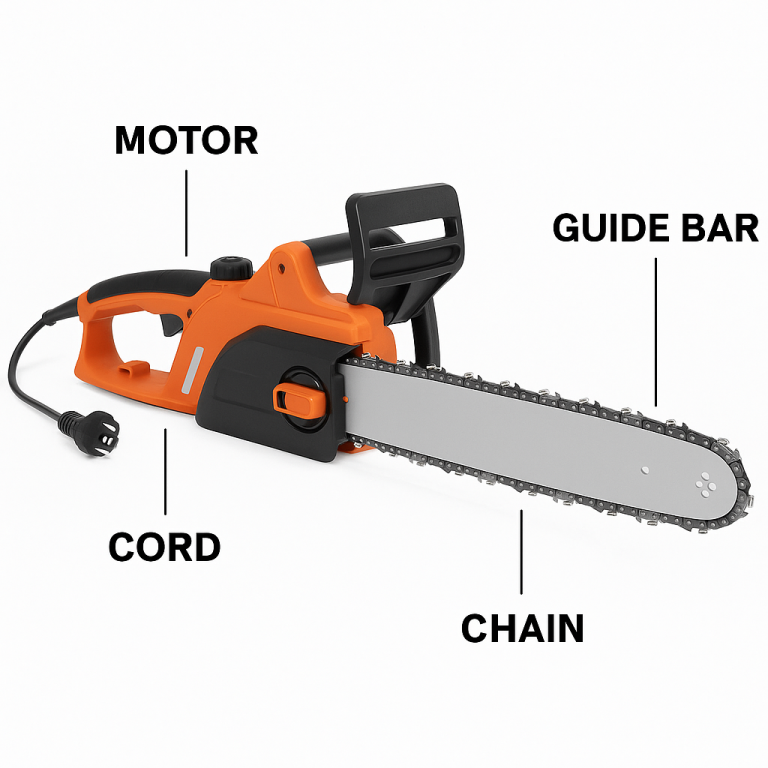
The Guide to Electric Chainsaws.
Corded chainsaw (motor, cord, guide bar, chain).

✅ Battery-Powered (Cordless) Chainsaws

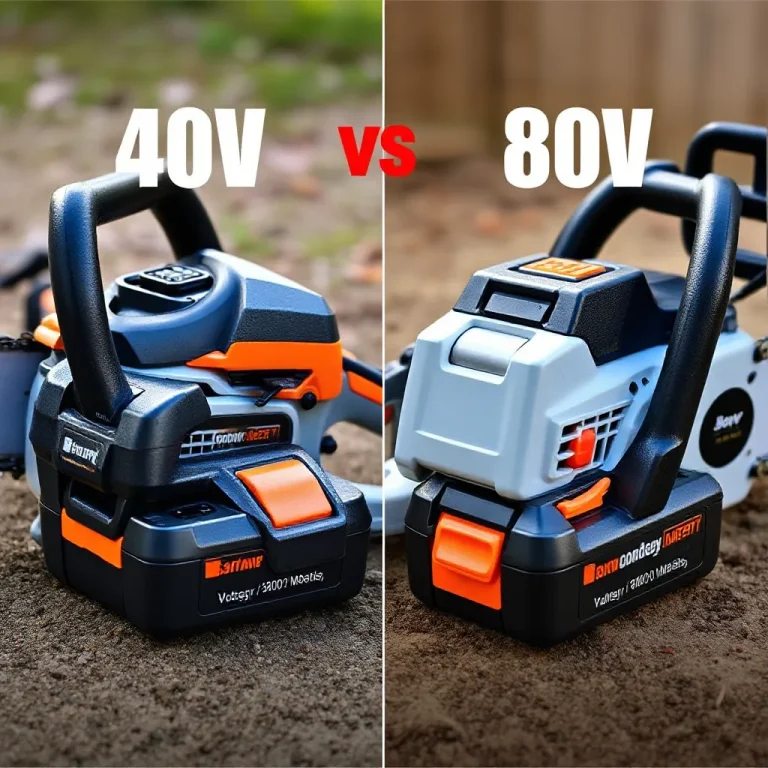
The Guide to Electric Chainsaws.
Battery chainsaw image showing voltage specs (40V vs. 80V models side by side).

These models excel in tasks requiring movement, thanks to their lithium-ion rechargeable batteries. 

Pros: Portability, no cords to manage, quieter.

Cons: Battery life (30–60 minutes per charge), cost if you need more than one, and battery weight.

Best For: Storm cleans up, cutting jobs, and other tasks away from outlets.

Electric versus Gas Chainsaws

“Gas and electric saws each offer specific advantages. On one hand, gas provides more power for intense jobs; on the other hand, electric saws are quieter and cleaner. The Ultimate Guide to Electric Chainsaws, helps you determine when an electric model is the right call.”

Category Electric Gas
Power
Good for light/medium jobs
Best for heavy-duty task
Noise
-70 dB(conversation level)
-110 dB(louder than a lawnmower)
Maintenance
Low (no fuel, no spark plugs)
higher (fuel mixing more parts)
Weight
Lighter
Heavier, bulkier

Key Features of Electric Chainsaws Guide

✅ Motor Type

  • Brushed Motor: By contrast, this option is more affordable but wears faster.
    Brushless Motor: In comparison, it is more durable, efficient, and longer-lasting.

✅ Bar Length

“For most homeowners, a 12–16 inch bar is typically sufficient; however, bigger isn’t always better for small jobs.”

✅ Battery Specs

When evaluating an electric model especially a cordless one understanding the battery specifications is critical. This is because, in particular, they directly impact power, runtime, and cutting performance. Therefore, here’s what the key battery specs mean in this context:”

1. Voltage (V)Power Output

  • Typical Range: 18V to 80V
  • What It Means: Higher voltage = more cutting power.
    Examples
    :
  • 18V–24V: Light-duty tasks (small branches, pruning)
  • 36V–40V: Medium-duty use (firewood, yard cleanup)
  • 60V–80V: Heavy-duty performance (tree felling, thick logs)

2. Amp Hours (Ah)Battery Capacity / Runtime

  • Typical Range: 2.0Ah to 8.0Ah
  • What It Means: Higher Ah = longer runtime before recharge.
  • Example: A 40V 4.0Ah battery lasts longer than a 40V 2.0Ah battery on the same chainsaw.

3. Watt Hours (Wh)Total Energy Stored

Formula: Voltage × Amp Hours.

4. Battery Type

  • Most Common: Lithium-ion (Li-ion)
  • Benefits: Lightweight, longer lifespan, fast charging, no memory effect

5. Charging Time

  • Depends on: Battery capacity and charger type (standard or fast charger).
  • Range: From 30 minutes to 2+ hours

6. Compatibility

  • Many brands (e.g., Greenworks, EGODeWaltMakita) offer interchangeable batteries within their voltage platforms helpful if you own other tools from the same brand.

🪚 Example:

  • Voltage: 40V
  • Capacity: 4.0Ah
  • Watt Hours: 160Wh
  • Battery Type: Lithium-ion
  • Runtime: ~60 minutes (varies by load)
  • Charge Time: ~60 minutes with fast charger
✅ Safety Features of Electric Chainsaws Guide

learn about key protections like chain brakes, anti-kickback bars, and ergonomic grips that help prevent accidents.

Chainsaw Maintenance Essentials

  1. Make sure to check the chainsaw chains regularly and always apply bar oil.
  2. Li-ion batteries can be stored at a 50 percent charge in a cold, dry space to extend their lifespan.
  3. Cords also have to be monitored and checked for fraying if it’s a clipped model.
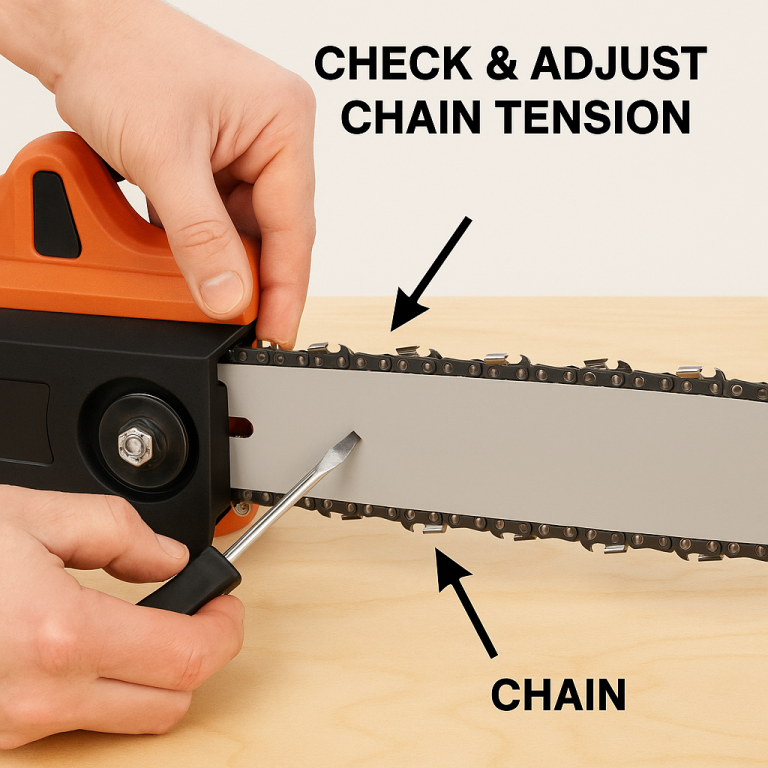
chainsaw chain type
Check and adjust the tension on the chain.

Best Applications

🔧 Yard Work:  Simplify Your Wood Cutting with Electric Chainsaws. Great for trimming small trees, as well as cutting branches and other overgrown foliage.
🛠️
DIY Projects:  Ideal for home projects such as cutting firewood, crafting rustic furniture, or even carving ice sculptures.
Emergency Preparedness:  Useful for battery-operated chainsaws in storms, but extra charged batteries are needed if the power goes out.

Conclusion

Now after going through this article The Ultimate Guide to Electric Chainsaws it will be clear that Cordless electric models continue to redefine convenience in residential yard work. Whether you value portability or reduced upkeep, they deliver a smart balance of power and practicality, especially when working away from power sources.

✅ Stay Safe Cut Smart

Related Post

Leave a Comment

Your email address will not be published. Required fields are marked *