Best Chainsaw Gloves for Comfort and Cut Protection

Introduction

Using a gas chainsaws can feel amazing, but it is also dangerously tough work. These small, roaring machines deliver huge power, and a split-second slip may cause a serious injury. With chips flying and the engine screaming, your hands are often the part most at risk. That is why good gear for chainsaw work is not simply wise- it is lifesaving. Chainsaw gloves sit at the top of any must-have list for personal protection. Built very differently than standard work gloves, they soak up impact, shrug off cuts, and still hold a firm grip when the pressure is on. Go without this extra layer and even experienced operators may lose skin-or worse.

In this guide, we will compare the top gloves available, showing how each one marries modern cut-proof fabric with real comfort, so you can pick Safety Gear for Chainsaw that suits your hands and work style.

Why Specialized Chainsaw Gloves Are Non-Negotiable

Running a powerful gas saw subjects your hands to many threats all at once. The hazards come not only from the fast chain but also from hard vibrations, hot shavings, and the chance of blow-back from wood or debris.

Everyday gloves might feel fine for light work, but they do little when a sharp edge comes near. Chainsaw gloves, on the other hand, use tough fabrics and extra layers made to catch the blade and lower the risk of deep cuts. According to the Occupational Safety and Health Administration (U.S) , using the correct hand PPE is critical in reducing injury during chainsaw operation, especially when dealing with kickback or contact injuries.

Key Benefits of Chainsaw Gloves:

  • Cut resistance from accidental contact with the chain
  • Reinforced padding for impact and abrasion protection
  • Better grip on gas chainsaws, reducing slippage
  • Integrated anti-vibration padding to minimize fatigue
  • Enhanced grip and reinforced palms contribute to chainsaw kickback prevention by ensuring the operator maintains firm, steady control even during sudden resistance or recoil.”
Cut-resistant layers on specialized chainsaw gloves for enhanced protection.

Understanding Cut Protection Technologies

Not all gloves are equal, and inside every pair, the material story is what counts. While cotton or hide may stop a thistle, true chainsaw gloves are made from engineered fibres that slow or even freeze a whirling chain on impact.

Materials That Matter:

  • Kevlar: Incredibly strong and heat-resistant, Kevlar fibers can arrest a chainsaw chain’s motion by jamming it.
  • Dyneema: Is Known for its lightweight yet high strength, offering remarkable cut resistance while maintaining flexibility.
  • Vectran: Another high-performance fiber offering excellent abrasion and cut protection.

Chainsaw kickback prevention depends on more than your saw’s built-in hinges; it also rests on how firmly you grip the machine and steer it. Smart glove makers place extra layers in the palm and finger zones so that the grip stays true even under the worst slap

Beyond Protection: Comfort and Movements Matter

A high-cut rating means little if the glove feels like concrete. Stiff cuffs and rigid fingers can lock up your hand, making even simple tasks awkward. Premium brands, therefore, weave in careful ergonomics so an operator can open a throttle or swap a chain without thinking about the gloves.

Comfort-Boosting Features:

  • Flexibility: Stretchy back panels let the hand bend naturally.
  • Anti-Vibration Padding: Gel pads or soft foam cushioning calm jolts that build up over long hours.
  • Breathability: Moisture-wicking liner sweeps away sweat before it pools.
  • Snug Fit: Close, yet gentle, so the glove moves with you, not against you.
chainsaw gloves
Worker gripping a chainsaw in the field, fingers moving freely in protective gloves.

Key Features to Seek in Premium Chainsaw Gloves

  1. Not every pair sold at the hardware store meets heavy-duty needs. Look for these signs of quality:
  2. Cut Protection Rating (e.g., EN 381-7): Prove the glove meets respected European safety tests.
  3. Material Mix: Traditional leather gives ruggedness; modern blends add stretch and fend off moisture.
  4. Cuff Style:       Short Cuffs: Allows for more wrist mobility.
                              Long Cuffs: Shields the wrist better and blocks flying chips.
  5. Reinforcements: Extra padding on knuckles and palms absorbs impacts.
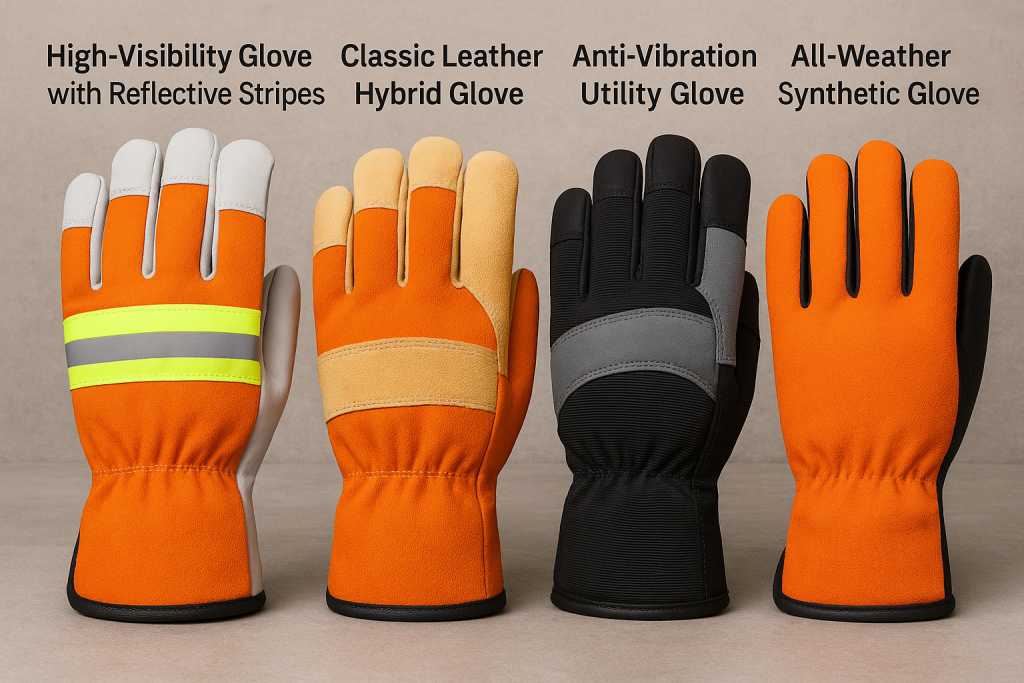
  6. Visibility: Bright colors or reflective strips help others see you in fading light.
  7. Durability: Look for even stitching, strong layers, and solid overall build.
  •  
line up chainsaw gloves

Choosing the Right Chainsaw Gloves for Your Needs

Every user will want different features based on the job and how often gloves are worn.

Recommendations by User Type:

  • Occasional DIYers: Well-rounded gloves that offer decent protection without feeling heavy.
  • Professional Arborists: Full-on models that guard everywhere, cushion impacts, and tame vibration.
  • Specialized Work: Climbing or serious-felling mittens that stretch higher and give fingertip finesse.

Above all, no Chainsaw Kickback Prevention shield will work if your grip slips; that grip comes from gloves that fit and flex right. So spend wisely on top chainsaw gloves- they pay you back in comfort and safety as years roll on.

Conclusion

Top-grade gloves are not an extra; they are the first line of defense. They marry cut resistance with everyday comfort, letting users grip a gas saw firmly while cutting fatigue and reducing injury odds.

Never cut corners for your safety. Pull on gloves that sweat through the same grind you do, and face each job with real confidence.

✅ Stay Safe Cut Smart

📌FAQs

What is the most important feature of chainsaw gloves?

The primary purpose is cut protection, specifically from chain contact. However, grip, anti-vibration, and comfort features are crucial for complete hand safety.

Can regular work gloves offer sufficient protection against a gas chainsaw?

Not. They lack cut-resistant materials and don’t stand a chance against the high-speed chain of a gas chainsaw.

How often should I replace my chainsaw gloves?

Check regularly for damage. If padding wears down or stitching frays, it’s time to replace them. Don’t wait for failure—stay proactive.

How do chainsaw gloves help with chainsaw kickback prevention?

They improve grip and reduce vibration, helping operators maintain control. If kickback occurs, gloves limit injury severity.

Leave a Comment

Your email address will not be published. Required fields are marked *