Chainsaw Chain Stretch: What It Is and How to Handle It
Introduction
Anyone who’s trimmed trees or sliced firewood with a cordless chainsaw knows the joy of cut-free mobility. Secure work boots grip the ground, the saw bites in, and its electric hum speaks of power ready at a tap. That same freedom at the curb or in the backyard, however, can mask an old problem hiding beneath the latest paint and lithium-ion cell. All that ease still leaves room for the chainsaw chain to stretch. You might shrug and think a bit of slack hardly matters, but even a minor elongation can dull the cut and, more importantly, throw you off balance with the next kickback. In the guide, we’ll explain what Chainsaw chain stretch is, why it sneaks in, how to spot it early, and the simple habits that will keep your cordless saw cutting straight and you, in one piece.
Table of Contents
ToggleUnderstanding Chainsaw Chain Elongation
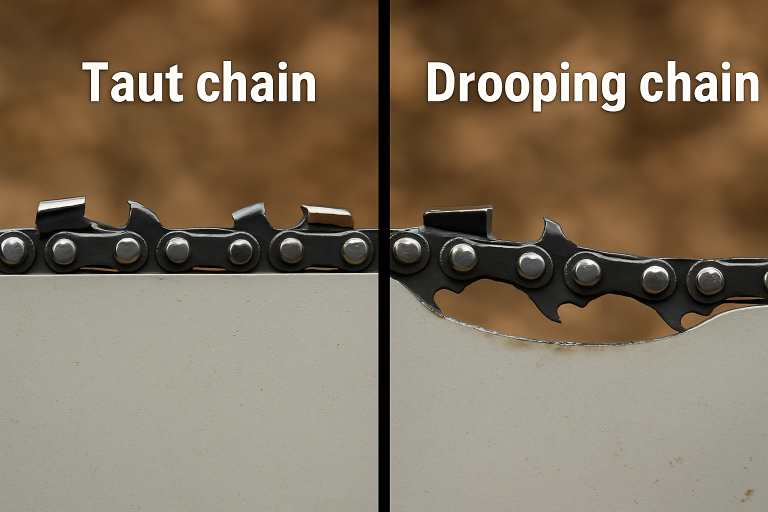
Chainsaw chain stretch is simply the slow lengthening that happens when the inner parts of a chainsaw rivets, pins, and bushings rub against one another with every pull of the trigger. Heat, dirt, and the friction of hardwood polish those components until they stretch ever so slightly, much like your favorite old belt. That wear isn’t a red flag; it is life on the job. Yet, if you let it go, the chain will droop, the teeth tilt, and you risk losing the loop mid-cut or even cracking the body of the tool.
Regularly checking tension and tightening the screws takes seconds and, more crucially, places a firm joint back between motor and bar so the next log falls cleanly under a step not your hand.
Cordless Chainsaws Are Still Prone to Stretching
Is Your Chainsaw Chain Too Loose? Spotting the Signs
Spotting stretches early keeps you safe, saves parts, and keeps work moving. Watch for:
- The chain drooping below the bar
- Cuts misjudge the straight line
- Jarring vibration or sudden bucking
- Smoke curling from bar slots
- Frequent slips off the sprocket
- Louder whir than normal
Why Chainsaw Chains Stretch Over Time
Knowing why chains loosen arms enables you to act before trouble strikes. Common culprits are:
- Break-in Stretch: New links settle after their first runs.
- Heat and Friction: Metal expands as it heats at its rate.
- Worn Pins and Rivets:Â Regular use knocks tiny parts loose and chips away their edges.
- Poor Lubrication: Skip the bar oil, and the metal grinds together, wearing out faster.
- Improper Tensioning: A chain that’s too slack or cranked too tight bends and snaps.
- Sudden Stops or Impacts: Slicing into a knot or nail jerks the chain and stretches it.
Proactive Chainsaw Chain Maintenance: Preventing Stretch
To avoid performance loss or mechanical failure, follow these Chainsaw chain maintenance tips:
To keep your saw sharp and safe, follow these basic tips:
- Check and adjust tension frequently. Reference your model guide to do it right.
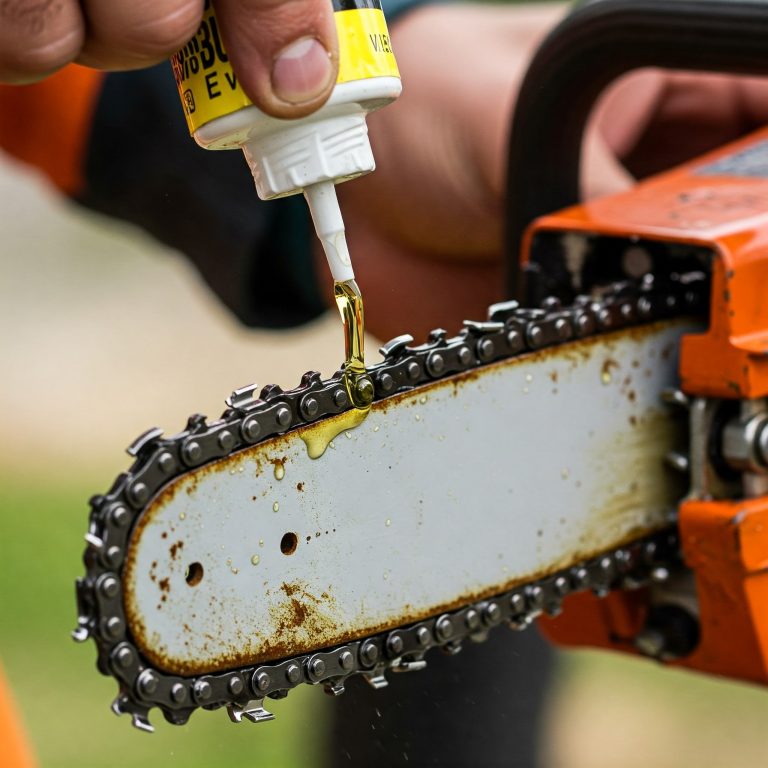
- Lubricate regularly. Pour fresh bar oil before every session.
- Sharpen the chain. A dull edge raises heat and speeds stretch. Routine honing doubles life. Refer to this guide for detail chainsaw sharpening tips.
- Clean after use. Sawdust and chips clog parts and slow movement.
- Break-in procedure. Tighten a new chain, run it a minute, then check again.
- Store properly. Dry, dust-free space guards the bar and teeth.
Pro Tip: Make a quick visual walkaround before every job- even fast yard work deserves a safe start.
Chainsaw Tension Adjustment: Simple Steps You Can Trust
Most cordless saws today come with handy, built-in tension systems. Follow these steps to adjust safely. First, turn off the saw and pull the battery. Pull on gloves so the chain can’t slice your fingers.
Look for the tensioner-it might be a screw or a dial you twist by hand.
Make tiny turns: clockwise tightens, counter-clockwise loosens.
Test the tension by lifting the chain gently at the bar’s midpoint. You should see the tips of the drive links emerge, yet they must not climb out of the groove.
Run the saw for a few minutes, then check again; heat sometimes loosens a fresh setting.
Don’t go to extremes: a chain pulled too tight strains the motor and ruins both bar and links, while a chain that’s too loose can snap off and fly away.
🎥The Hidden Chainsaw Killer : Chain Stretch. Correct Way To Adjust The Chain Tension.
When to Swap Chains Because of Stretch
- Eventually, every chain will stop holding tension. Swap yours when:
- No amount of adjusting stops it from sagging.
- You spot cracks, broken links, or rust.
- Bar rails or drive links show deep wear.
- The chain jumps off the bar again and again.
- Put safety first. A worn chain can turn an easy cut into a trip to the hospital.
Conclusion
Chainsaw chains always stretch the more you run the tool, yet that normal wear needn’t ruin your day. By staying on top of basic care-pulling it taut, giving the teeth a quick sharpen, and clearing debris-you’ll keep cuts smooth, operation safe, and your cordless saw working at its best. Keep it tight, keep it sharp, and stay safe.
✅ Stay Safe, Cut Smart.
📌FAQs
Chain stretch typically results from heat, friction, worn pins, and initial break-in from new chains.
Ideally, inspect and adjust before each use, especially after long cutting sessions or on a new chain.
Yes. A sharp chain reduces cutting resistance and friction, helping minimize stretch
Related Post
Chainsaw Vibration: How It Affects Your Health and Safety.
Chainsaw Vibration: How It Affects Your...
Read MoreWhat do chainsaw injuries teach us about safety?
What do chainsaw injuries teach us...
Read MoreChainsaw Training for Beginners: Essential Safety & Usage Tips.
Chainsaw Training for Beginners: Essential Safety...
Read MoreWhich chain is better, carbide chain or steel chain?
Which chain is better, carbide chain...
Read More