Winter Chainsaw Care: Prepare for Cold Weather
Introduction
When temperatures shrink and frost greets the morning, most chainsaw users start daydreaming about tucking their machines away until spring. Yet stuffing a cold saw into the shed without a second thought makes sure it will misbehave the first warm day. Winter Chainsaw Care is more than storage; it’s a set of simple, smart checks that keep your tool safe, sharp, and eager to work when the thaw finally arrives. Follow this down-to-earth guide, and you’ll guard your saw against winter’s worst while squeezing years of extra life from each steel tooth.
Table of Contents
ToggleFuel and Engine Prep: Winterizing Your Chainsaw Engine
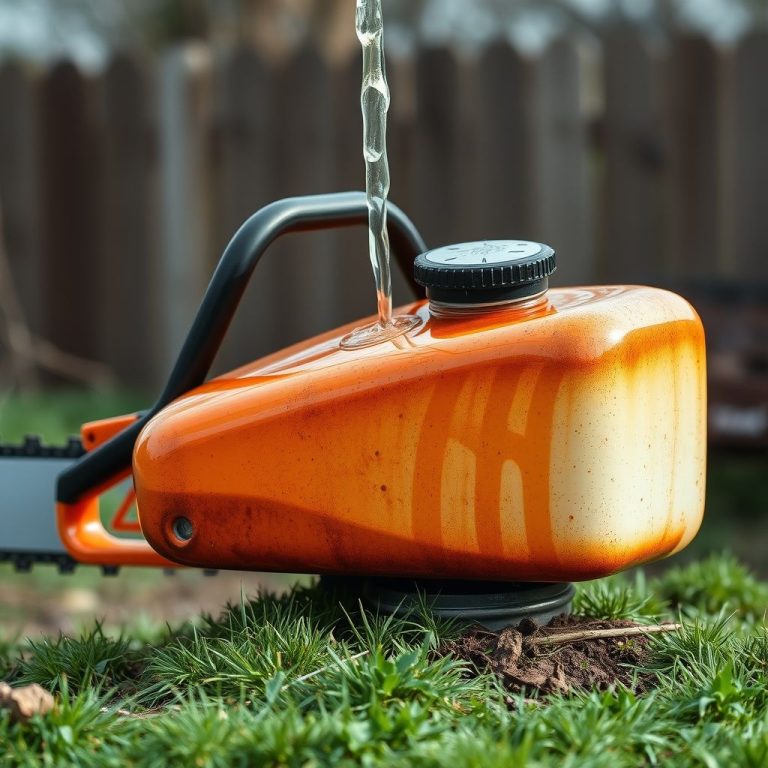
The first chore on your winter list is the fuel. Stale gas turns sticky, clogs the carb, and turns the morning start into a head-scratching hassle.
So, should you drain chainsaw fuel for winter? Unless you add a good stabilizer first. If you plan to idle the machine now and then, pour in the mix, then drop the stabilizer. Let it run for a minute so the treated fuel reaches every line and carb jet. That quick spin keeps varnish at bay and lets your saw roar to life the first sunny morning. Plus, mist a light fogging oil into the engine before any long stretch of storage. That quick squirt locks in moisture protection and adds an extra layer against rust on unseen parts.
Lubrication & Blade Maintenance in Freezing Temps
Chainsaws depend on steady oil flow to keep working smoothly. In frigid air, not every lubricant stays slippery. Instead, pour true winter-grade bar oil, designed to stay loose even when thermometers drop.
Using the right cold-weather mix cuts friction, stops wear, and lets the guide and teeth run free. Always check that every oil port is clear and streaming as the saw moves. Watch your level through the day; chill can thicken oil fast and slow the cut.
Adjusting Chainsaw Chain Tension in Cold Weather
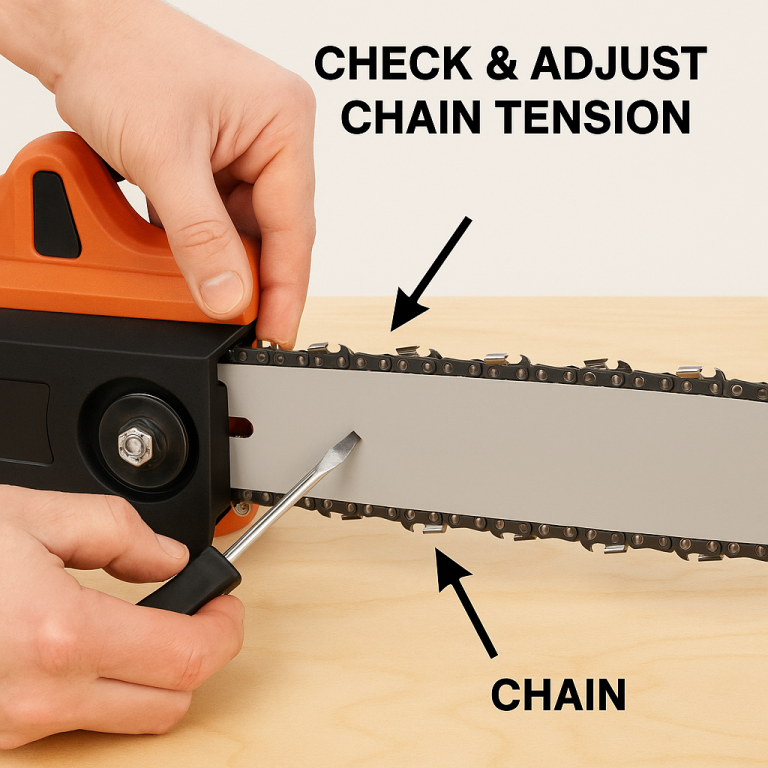
Colder air pulls metal tight, so check the tension each time you fire the saw. A sagging loop may jump off; a board-tight one loads the engine.
Before you cut, lift the chain at a drive link. It should rise, then fall back snugly and settle without drop.
Inspection and Cleaning: Preventing Chainsaw Rust
Before parking your saw for the day or hauling it into a storm, scrub off dust, sap, and mud. Wipe the saw body to clear away sawdust, sap, and leftover moisture. Then clean the air filter, spark plug, and guide bar. Look for chips, cracks, wear, or rust. Debris mixed with water speeds up corrosion, so stopping rust should top your winter list.
What to Check on a Chainsaw Before Winter Storage
- Examine fuel lines and filters for cracks.
- Test the recoil starter and check the clutch drum.
- Pull the chain brake to see if it snaps back.
- Run through nuts, bolts, and fasteners to feel for looseness.
How to Store a Chainsaw in Winter: Storage Tips That Work
- Where you store the saw will affect how long it lasts, so try these handy tips:
- Keep it in a dry, frost-free spot.
- Raise it off the floor to avoid pooling moisture.
- Drape a breathable cover instead of a sealed plastic bag.
- For long storage, remove the chain and bar.
- Follow these steps and your saw will stay rust-free and ready for spring.
Winter Chainsaw Safety Tips and Cold Weather Use
Even if you plan to use your saw during winter, a little extra caution goes a long way. Here are the top winter chainsaw safety tips:
- Â Always warm the engine for a minute before putting it to real work.Â
- Slip-resistant gloves give your fingers a solid grip.Â
- Protect your eyes with goggles- snow glare makes sharp edges blurry.
- Â Frozen wood is much tougher than fresh timber, so expect hard cuts and keep kickback in mind.Â
- These tips will make the job safer and smoother:
- Â Keep your saw dry between cuts, wipe the chain, and cover the throttle.Â
- Avoid cutting through snow that hides rocks or dirt.Â
- Stop often to clear ice from the bar, sprocket, and chain.Â
- And remember, starting the saw once in a while keeps oil moving and the engine happy.Â
Cold Weather Troubleshooting: Chainsaw Won't Start in Cold?
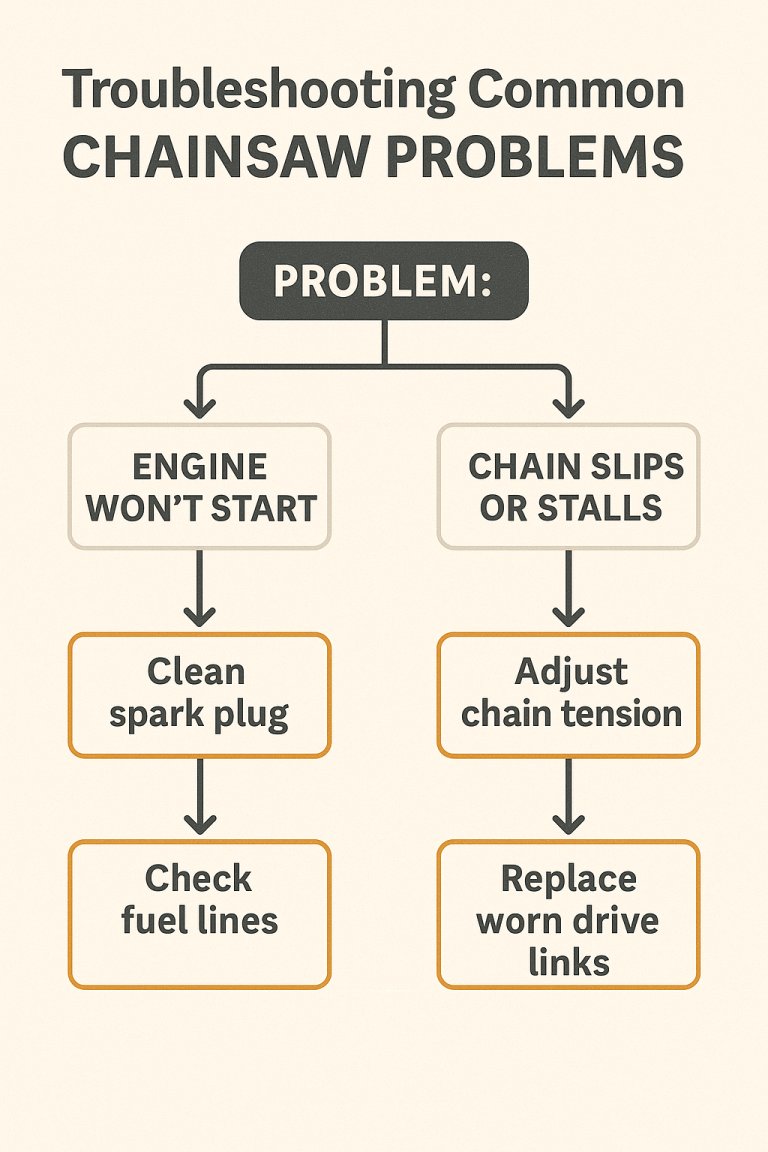
A cold engine can refuse to fire, even with the best prep.Â
- Try these quick fixes: Swap in a winter-grade spark plug if you have one. Primer bulb? Pump it five to seven times, not the usual three.
- Pull the choke all the way, then let the engine sit at a slow, warm-up idle.
- If that doesn’t work, move the saw into a heated room for a minute and try again.
🎥 Watch this for clarity on winter chainsaw maintenance
⚠️ Warning
Please do not attempt to test-run the chainsaw without the chain brake engaged. The spinning chain can cause fatal injuries.Â
Conclusion: Keep Your Saw Winter-Ready
âś… Stay Safe Cut Smart
📌FAQs
Store it in a dry, cool place. Clean it thoroughly, drain the fuel, and cover it with a breathable cloth to avoid moisture buildup.
Use low-viscosity chainsaw bar oil for cold weather to ensure smooth operation and proper lubrication in icy conditions.
The chainsaw won’t start in cold conditions due to thickened fuel, fouled spark plugs, or carburetor issues. Use fuel stabilizers and warm the unit indoors before trying again.
Inspect the air filter, chain brake, guide bar, chain tension, and drain old fuel to prevent corrosion and engine issues.
Related Post
Chainsaw First Aid Kit: What Every User Should Have
Chainsaw First Aid Kit: What Every User Should Have. Introduction...
Read MoreHow to Use a Chainsaw on a Ladder? (Safely and Effectively)
How to Use a Chainsaw on a Ladder? (Safely and...
Read MoreFast Charging Tips for Battery-Powered Chainsaws.
Fast Charging Tips for Battery-Powered Chainsaws. Introduction We have witnessed...
Read MoreWhat to Know Before Buying a Second Battery for Your Chainsaw
What to Know Before Buying a Second Battery for Your...
Read More