
Fast Charging Tips for Battery-Powered Chainsaws.
Introduction
We have witnessed a new revolution in chainsaws; they can be powered by batteries. Unlike gas-powered chainsaws, Battery-Powered Chainsaws ones are much quieter, cleaner, and easier to maintain. Problems still exist, though, including that of downtime. For professionals and frequent users, time is of the essence. Quick recharge capabilities can enhance both productivity and safety. This is especially relevant when preparing for seasonal chainsaw maintenance. Snowy winters bring their unique challenges when using chainsaws. Efficient charging strategies are vital, as lacking them would leave the chainsaw short on power when needed. This guide is aimed at helping you avoid that scenario by offering insights into fast charging systems, seasonal tips, and best practices.
Table of Contents
ToggleChallenges of Fast Charging Systems for Battery-Powered Chainsaws
These systems, in addition to convenience, battery-powered chainsaws heed the need for efficiency during both business hours and for emergencies. The reasons explained below underline their importance:
- Avoid Strict Recharging Timers: Through the application of fast systems, downtime is greatly reduced. Chargers that only take 30-60 minutes can provide the same service that previous systems required hours for.
- Sharpening Peak Performance for Professions: Extended periods of battery operation devoid of interruptions promote seamless switching to charged batteries for professionals partaking in extensive work with no lags.
- Batteries Safe on Standby: Updated models ensure fast recharge batteries are always prepped for standby. Efficient powering during winter storms or sudden snapped branches makes them indispensable.
- Tuned for Seasonal Use: Best for seasonal chainsaw upkeep, minimizes off-season setup effort.
- Cold Weather Operation: Chainsaw in snow scenarios, rapid recharge boosts momentum sustainment during frigid temperatures.
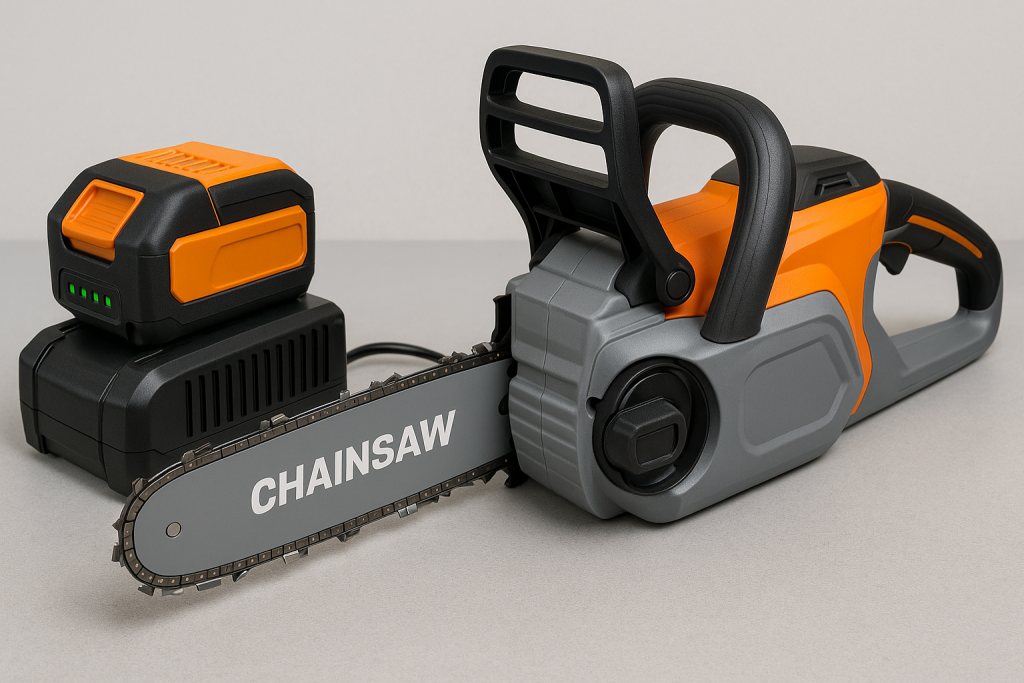
Fast Charging Techniques for Maximum Efficiency
To further enhance performance, adhere to the following fast charging protocols:
- Use the Manufacturer’s Charger Only
Charging from unverified sources is prohibited. OEM chargers are specially engineered for your battery, providing safety and charging efficiency.
- Pre-Warm Cold Batteries Before Charging
During freezing temperatures, especially during chainsaw in snow activities, battery packs may be unresponsive. Bringing them indoors is advisable.
- Employ Dual or Parallel Chargers
Purchase chargers that support two batteries and charge them simultaneously. This greatly helps during seasonal chainsaw maintenance.
- Charge in Climate-Controlled Environments
Batteries charge optimally within 10 to 30 degrees Celsius. Avoid charging in sub-zero garages during winter months.
- Rotate Batteries During Use
Having multiple batteries allows for consistent rotation, which aids in health and ensures at least one is always on standby. Maintain clean ports to prevent issues with charging speed. Always check before plugging in.
- Use Batteries That Support Fast Charging
Fast charging is not available with all chainsaw batteries. Make sure to check your manufacturer’s specs and upgrade if required.
Seasonal Strategy for Chainsaw Maintenance and Charging
Different seasons come with their specific considerations. Charging in cold weather significantly impacts battery chemistry, reducing output and increasing charging times. An effective seasonal chainsaw maintenance strategy cultivates adaptability.
- Winter Maintenance: Before using a chainsaw in snowy environments, check the battery for cracks or moisture. Use dielectric grease on the terminals to keep corrosion at bay.
- Spring Readiness: Batteries that have been stored for a long time may need to go through a conditioning cycle. These should be fully charged and discharged once.
- Summer Care: The battery cells can be damaged if exposed to extreme heat. Placing the charging station in shady, cool locations can help.
- Fall Prep: Best time for seasonal chainsaw maintenance. Long-term storage benefits from fully charged batteries held at 40-60% state of charge.
Using a chainsaw in snowy regions has specific requirements. Always keep your chainsaw in snow stored in insulated bags or boxes to mitigate temperature fluctuations. Optimal performance comes from a combination of fast charging and pre-warmed batteries.

Avoidable Errors When Fast Charging
These mistakes can impact the health of your battery and speed up the charging process:
- Using Non-Branded Chargers: Non-branded chargers may not have the correct voltage or amperage, which could lead to either slow charging or damage to your device.
- Trying to Charge After Use in Snow: Always allow the batteries to get to room temperature first. Charging immediately after exposure to snow can damage the battery cells.
- Ignoring Seasonal Battery Maintenance: ++Skipping seasonal maintenance for your chainsaw, like terminal cleaning or insulation checking, can lead to a loss in charging efficiency.
- Charging Overnight: Setting to auto off doesn’t eliminate the heat build-up, which is dangerous and can decrease battery life dramatically.
- Charging mismatched batteries: It is both unsafe and inefficient when charging batteries outside their voltage range.
Expert Advice on Using Chainsaws in the Snow
Adjustments for operating a battery-powered chainsaw in snow to preserve battery life and ensure consistent cutting.
- Charge the Battery in the Warm : Ensure that it is stored indoors and use a heated case when moving it outdoors.
- Don’t Allow it to Get Wet: Moisture can negatively impact the battery terminals and charging speed after use.
- Promptly Remove Any Snow Build-Up: Remove snow completely after each use to avoid the risk of parts freezing internally or developing condensation.
- Use snow-specific bar oils: These oils help reduce battery strain because of the cold.
- Avoid continuous use below zero degrees Celsius: These conditions are best suited for intermittent use with indoor recharge periods.
🎥 Battery Chainsaw Maintenance
Conclusion
Fast charging is critical for maximizing efficiency on battery-operated chainsaws, and implementing it will reduce downtime, increase safety, battery efficiency, and overall usefulness while using or even while preparing to use during the cold or while preparing for offseason project maintenance.
Weather may be unpredictable, but the off-season provides ample opportunity to prepare for seasonal demands through maintenance combined with smart charging.
✅ Stay Safe Cut Smart
📌FAQs
Most high-quality chargers can replenish batteries in 30 to 60 minutes, depending on the model and amp-hour rating.
Yes, but always warm the battery beforehand and avoid exposing terminals to moisture. Store it in an insulated case for best results.
Inspect batteries, clean connectors, store batteries at 40–60% charge, and test the tool periodically. Adjust routines based on the weather.
Check the user manual or the battery label. Look for terms like “rapid charge,” “high output,” or “fast charge compatible.”
If done with compatible chargers and within manufacturer guidelines, no. Avoid cheap third-party chargers and improper temperature ranges.
Related Post

Chainsaw First Aid Kit: What Every User Should Have
Chainsaw First Aid Kit: What Every...
Read More
How to Use a Chainsaw on a Ladder? (Safely and Effectively)
How to Use a Chainsaw on...
Read More
Fast Charging Tips for Battery-Powered Chainsaws.
Fast Charging Tips for Battery-Powered Chainsaws....
Read More
What to Know Before Buying a Second Battery for Your Chainsaw
What to Know Before Buying a...
Read More