
Chainsaw First Aid Kit: What Every User Should Have.
Introduction
Chainsaws are highly effective tools for the toughest tasks, but their use carries significant risks if care isn’t taken. For this reason, having the proper chainsaw safety equipment is not merely an accessory, it’s a prerequisite. One of the most ignored yet crucial items of safety preparedness is the Chainsaw First Aid Kit.
Table of Contents
ToggleFulfilling safety requirements is neglected by many, especially on a casual woodwork day. As either an experienced arborist or a casual weekend worker, being equipped for emergencies could be the difference between life and death for you or someone nearby. Therefore, in this article, I will outline essential components of optimal chainsaw trauma kits, recommend appropriate chainsaw gloves, and share insights on how regular chainsaw maintenance minimizes hazards.
Why Every Chainsaw User Needs a First Aid Kit
Chainsaw usage is fraught with risks even when all safety measures are complied with. Lacerations and severe cuts can occur within moments, including risks ranging from limbs being critically injured. Lasting damage of this kind can disrupt normality chronically and painfully.
A Chainsaw First Aid Kit is designed to ensure there is a prompt response to stop the escalation of injury. Patients using these kits would minimize the chance of bleeding out, as they would have access to faster aid, which is essential in areas with slow access to help.
Most Frequent Chainsaw Injuries
- Severe cuts
- Head injuries due to kickback
- Ligament or tendon ends separation
- Eye injuries due to hot particles
- Burns from the engine overheating
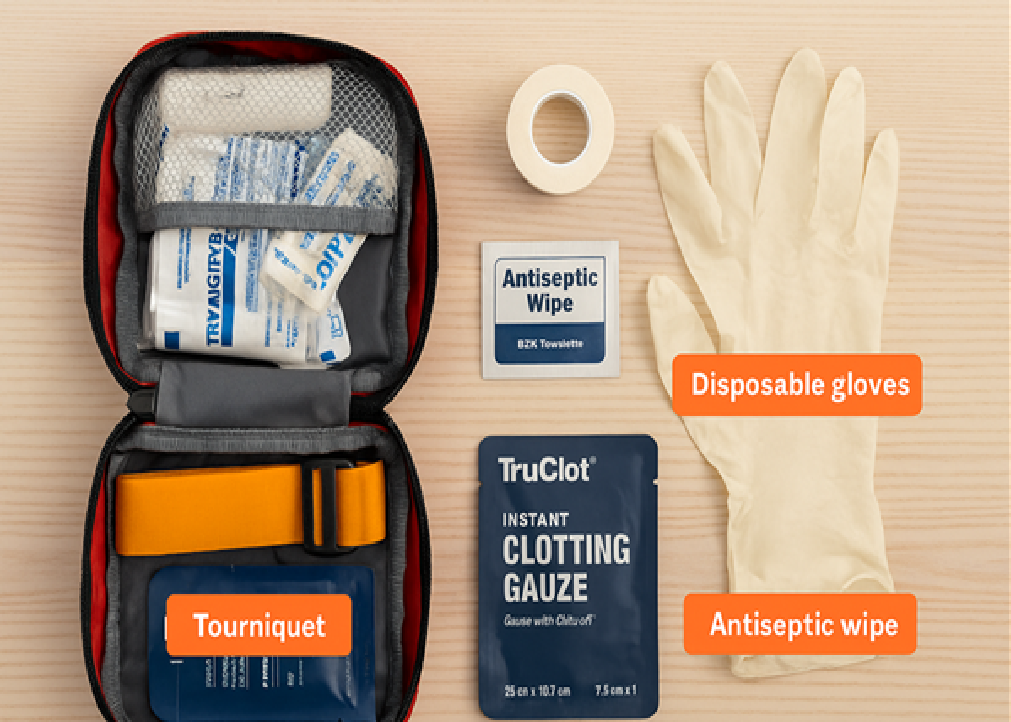
🧰 Fundamental Supplies of a Chainsaw Trauma Kit:
- Burn dressings and protective pads
- PAED CAT or Soft T tourniquet
- Medical scissors
- Antiseptic hand wipes
- Non-sterile plastic gloves
- Eye shields
- Burn treatment ointments
- Thermal blanket
- Mask for CPR
🪖 Primary Protection Equipment for Chainsaw Work
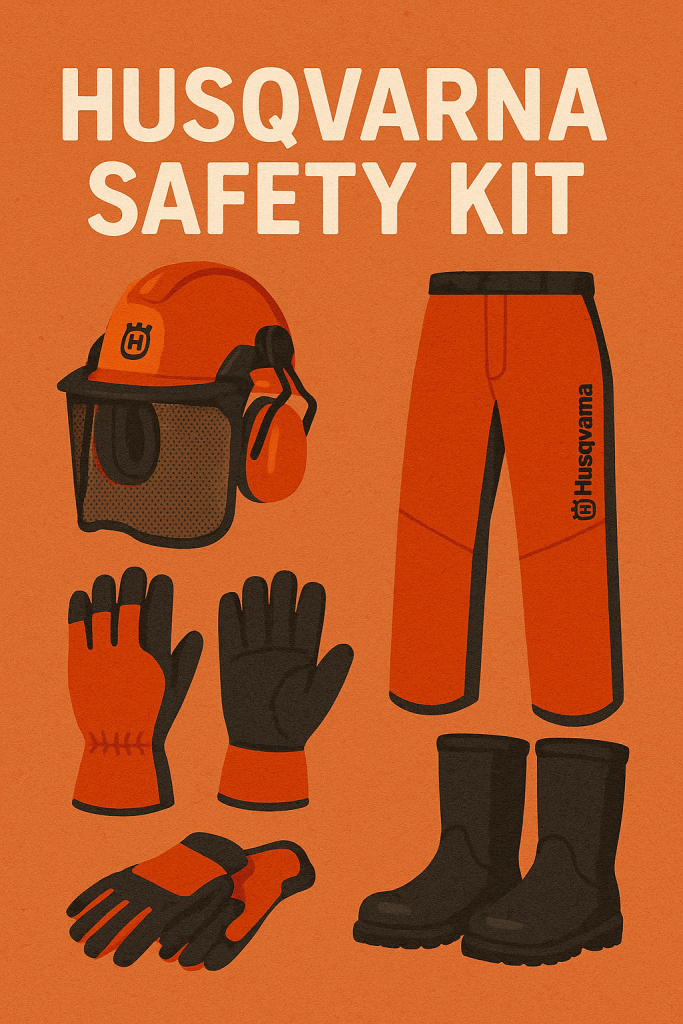
While it is true that chainsaw first aid kits are primarily used during emergencies, the primary line of defense should be accurate safety gear for chainsaws. Every operator must have appropriate personal protective equipment for chainsaw operations to comply with minimum standard regulations.
Important Items of Protective Equipment for Chainsaws:
- Face Shielded Helmet – protects the head and its organs from projectiles.
- Cut-Resistant Chainsaw Chaps – covers the legs from chainsaw cuts and injuries.
- Cut-resistant gloves protect the hands from cuts, splinters, and vibrations.
- Steel-Toe Boots – protect feet and provide grip on wet and slippery grounds.
🧤 Best Chainsaw Gloves: Matters of Protection
Every profession or trade involves some form of associated danger that puts an individual’s life at risk. The best chainsaw gloves feature a combination of versatility, cut-resistant material, anti-vibration pads, and a comfortable, snug fit.
Best Chainsaw Gloves Picks
- Oregon Chainsaw Gloves – Reinforced with cut-resistant materials and padded palms.
- Youngstown General Utility Plus – Padded multipurpose gloves featuring impact protection.
- Husqvarna Functional Saw Protection Gloves – Goat leather palms with high visibility backs.
🧰 Maintenance of chainsaw and Injury Prevention
Surprisingly enough, regular chainsaw maintenance directly contributes to the safety aspect. A poorly maintained chainsaw, such as a dull or misaligned chain, can lead to dangerous unexpected stalls as well as kickbacks, both of which greatly increase the risk of injury.
Key Maintenance Notes:
- Use a chainsaw sharpening tool for regular sharpening of your chainsaw
- Perform a tension check of your chain at every use.
- Observe air filters for cleanliness and the absence of debris.
- Confirm the responsiveness of the chain brake and throttle.
- Perform bar and chain lubrication as necessary.
🧯 Building Your Chainsaw First Aid Kit: Step-by-Step
Including only the products that are suitable for your working conditions is possible when you tailor-make your Emergency Chainsaw Kit (or Chainsaw Trauma Kit). While some people prefer buying pre-made kits, others like to customize their emergency kits.
📋 DIY Chainsaw First Aid Kit Checklist
- Tourniquet
- Quick Clot gauze or Homeostatic bandage
- Pressure dressing
- Gel and ointment for burns
- Splint for emergency use
- Antiseptic for cuts
- Eye wash dispensers
- Gloves made from nitrile
- Band aids in varying sizes
- Pain medication that does not induce sleepiness
🛒 Sourcing Safety Gear and First Aid for Chainsaws
These suppliers have a good reputation when it comes to safety equipment and pre-assembled kits:
- 🌲 Forest-Safety Products – Their rough and tough OSHA-compliant trauma kits make them a household name.
- 🛠️ STIHL Belt Pouch Kit – Compact first aid pouch that can be attached to a belt for easy and quick access.
- 🧢 Husqvarna Safety Gear for Chainsaw– Leading manufacturer of comprehensive chainsaw protective gear.
🎥 Chainsaw Trauma Kit
Conclusion
Safety Gear for Chainsaw around the use of a it essentially boils down to being properly equipped. Having a Chainsaw First Aid Kit on standby is important, but it assumes that the user is properly outfitted with safety equipment for chainsaw use. There is always a possibility of an accident occurring; however, if you employ proper measures, the likelihood can be significantly reduced through the appropriate equipment, training, and maintenance of the chainsaw.
Don’t wait for an emergency to occur. Whether you are a homeowner needing to clear some brush or a professional logger deep in the woods, your life could depend on it, so start enhancing or assembling your kit.
✅ Stay Safe Cut Smart
📌FAQs
A chainsaw trauma kit should include a tourniquet, homeostatic gauze, antiseptic wipes, gloves, eye wash, burn gel, and a CPR mask to stabilize serious injuries until medical help arrives.
The best chainsaw gloves use cut-resistant materials, anti-vibration padding, and reinforced knuckles to protect your hands during operation.
Routine maintenance prevents mechanical failures, improves control, and reduces risks of kickback or sudden stalls key causes of injury.
You can find high-quality chainsaw safety gear at Forest-Safety.com, STIHL USA, and Husqvarna’s official website.
Check your kit every 3–6 months, especially if it’s exposed to outdoor elements. Replace expired items and replenish used supplies immediately.
Related Post
How to Use a Chainsaw on a Ladder? (Safely and Effectively)
How to Use a Chainsaw on...
Read MoreFast Charging Tips for Battery-Powered Chainsaws.
Fast Charging Tips for Battery-Powered Chainsaws....
Read MoreWhat to Know Before Buying a Second Battery for Your Chainsaw
What to Know Before Buying a...
Read MoreHow to Start a Flooded Chainsaw: Quick Troubleshooting Tips.
How to Start a Flooded Chainsaw:...
Read More