Which Chainsaw Chain Material works best for cutting trees?

Introduction

A Pole Saw is a popular tool for branch pruning and felling because it makes hard-to-reach branches easier to access. Even the strongest saws will struggle if the wrong Chainsaw Chain Material is used, however. Slipped Chainsaw Chains are a frequent occurrence and not only halt all progress but are also disabling and dangerous to the user. The right choice of material has to be made for the chainsaw to ensure safety, cutting power, and equipment durability.  

Moreover, users frequently voice their worries around cuts to length, maintenance such as using a chainsaw carburettor tachometer, or complex tasks like chain length adjustment. This guide aims to fill the gap by comparing various chain materials and their impact on chainsaw performance, with practical tips to avoid dislodged chains and other mechanical failures.

Examining the Impact of Chainsaw Chain Material on Tree Felling

The Negative Impact Slipped Chainsaw Chains Have on Productivity. A slipped chainsaw chain can interrupt cutting, damage the guide bar, and increase the chance of injury. This is even more likely to occur when the wrong material is used, especially when the workload is at its heaviest. Different materials have varying levels of durability, and here’s how they compare:

Hardened Steel Chains

  • Affordable and commonly used
  • Best for softwood cutting
  • Wears out faster under rugged use

Carbide-Tipped Chains

  • Extremely hard and heat-resistant
  • Ideal for frozen or dirty wood
  • Requires special tools for sharpening

To summarize, if you are taking down trees often or are working on tougher, more intimate surfaces, switching to thicker materials will minimize the chances of a loose saw chain while boosting cutting efficiency.

Pole Saw Performance Depends on The Type of Bar Chain Used

Preventing Chain Slippage During Long Use Periods Selecting the appropriate chain type significantly impacts performance, especially for overhead cuts. Here is an overview of some popular chains, materials, and types. 

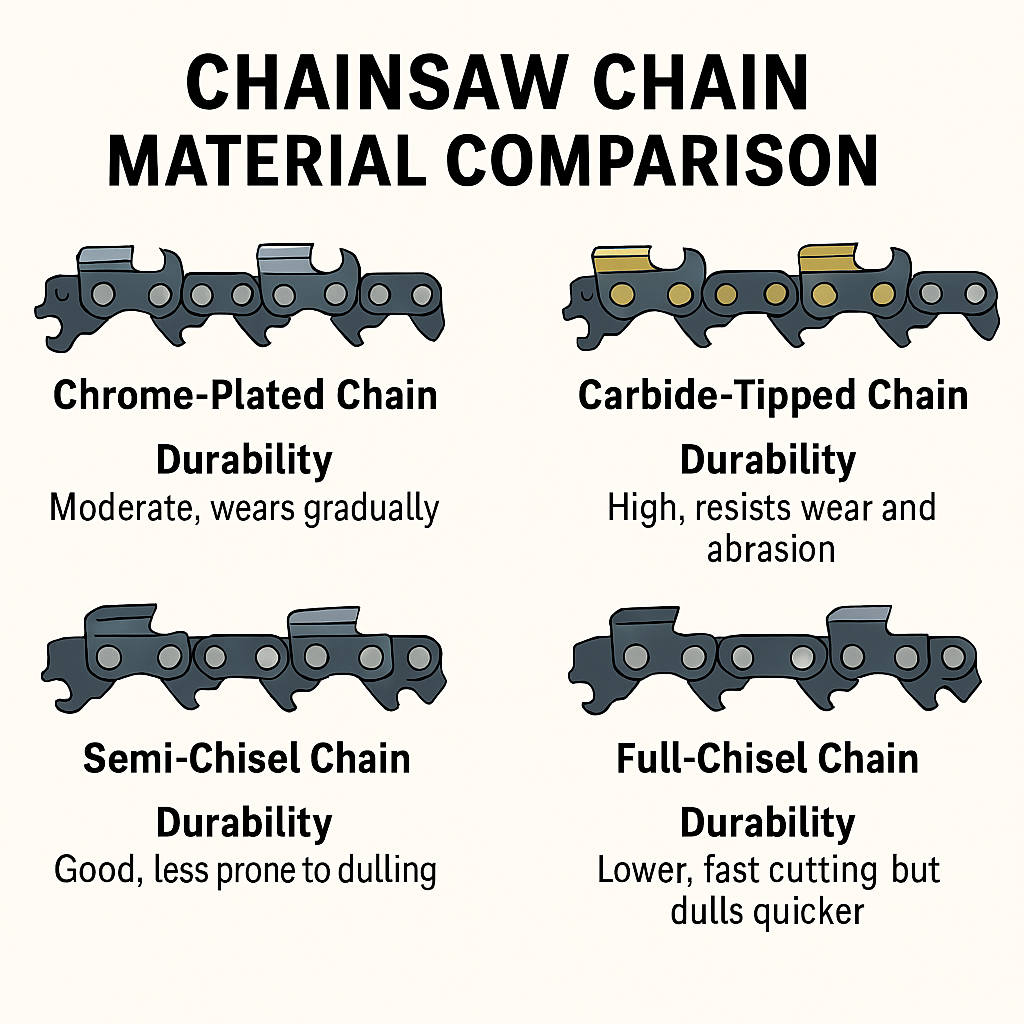
Chrome-Plated Chains

  • Offers enhanced rust resistance
  • Easy to sharpen and widely available
  • Suited for residential and DIY users

Carbide-Tipped Chains

  • Stays sharp up to 5 times longer
  • Resists damage from nails and dirt
  • Best for professional, demanding jobs

Semi-Chisel Chains

  • Rounded teeth reduce kickback
  • Cuts slower but maintains sharpness
  • Great for hardwood or dirty environments

Full-Chisel Chains

  • Sharp square-cornered teeth
  • Fast and aggressive cutting
  • Best for clean, soft wood

Low-Kickback Chains

  • Designed for safety
  • Slightly slower cutting
  • Ideal for beginners and homeowners
chainsaw chain material

In the end, knowledge of these materials helps avoid a chain that may dislodge and assists in completing the job in the least possible time in a safe manner.

Chainsaw Chain Length and Its Impact on Cutting Accuracy

Can Improper Chain Length Result in a Detached Chain?

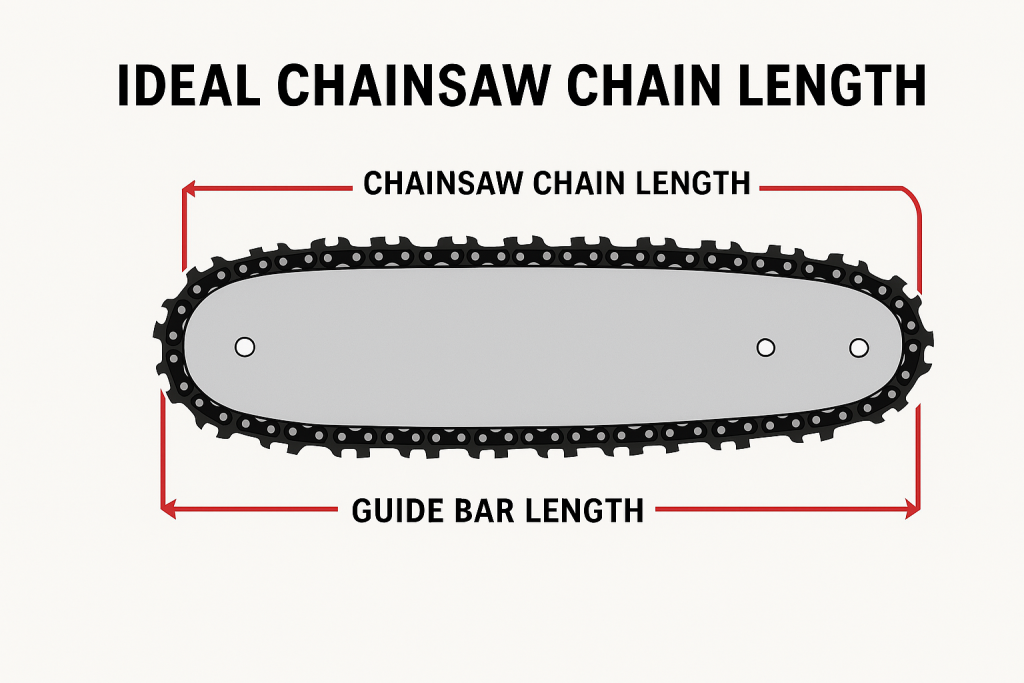
Indeed, factors such as an overly short or lengthy chainsaw chain are leading causes for a chainsaw chain to slip. A chainsaw chain that is longer than its designated guide bar will become derailed, while one that is shorter will slip or jam during use.

Proper length ensures:

  • Chain stays in place on the guide bar
  • Even power distribution across the motor
  • Reduced risk of injury due to unexpected dislodging

To find the right length:

  • Count the drive links
  • Measure the pitch
  • Determine the gauge that matches the bar
chainsaw chain length

Compatibility checks with your standard chainsaw before every use eliminate time loss, anger, and potential damage to equipment.

🎥 Full Chisel? Semi Chisel?

Managing Chainsaw Carburettor Without a Tachometer

Can You Fine-Tune Without Devices?

While intimidating, it is very possible to tune a chainsaw carburettor without a tachometer. With the right approach and some patience, it is accomplishable. Carburettors control the fuel-air mixture, and failure to do so will result in insufficient power during cuts or the engine stalling.

Indicators that your carburettor requires adjustment:

  • Power loss while cutting
  • Standby stall every time.
  • Chain speed is erratic.
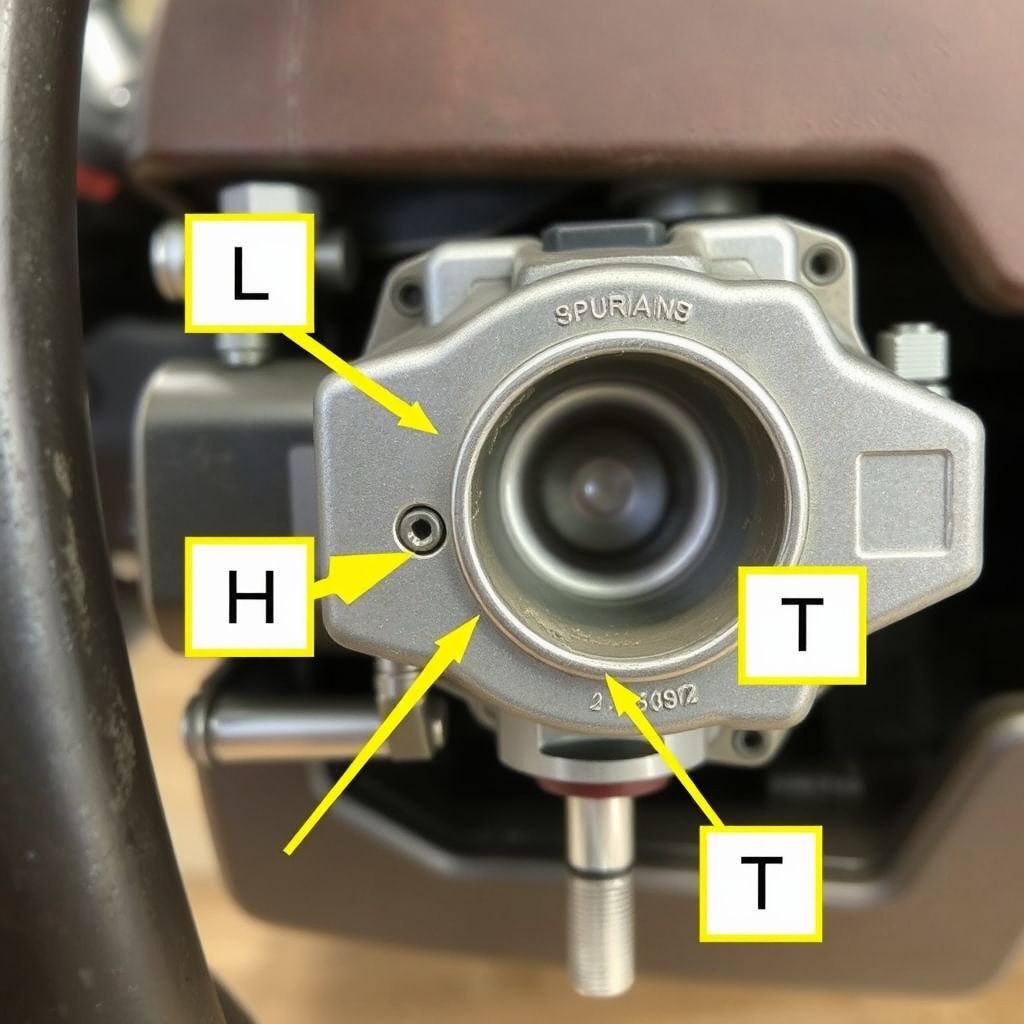
  • How to adjust without a tachometer:
  • For the L screw, turn until a smooth idle is achieved.
  • For max revs without stalling, adjust the H screw.
  • Set T so that at rest, the chain is stationary
Adjust Chainsaw Carburettor

Fine listening and observing, while not as exact as a tachometer, enables safe adjustments.

Preventing Slipped Chainsaw Chain During Tree Work

To prevent a pole saw’s chains from slipping during heavy-duty tree work, certain maintenance protocols should be followed: 

  • Ideal Chain Tension: Always check before use
  • Regular Cleaning and Lubrication: Minimizes wear and overheating
  • Proper Guide Bar Use: Prevents mismatched bar derailment chains from slipping
  • Compliance with Manufacturer Spec: Do not over- or under-match chains to chainsaw length guidelines
  • Inspect Dully: Assess for wear or damage and replace if needed 

These checks not only prevent a chain from falling but also lengthen the service life of your equipment.

Conclusion

Using the correct chainsaw chain material directly affects your cutting performance, safety, and tool durability, especially when working with a pole saw. Carbide-tipped chains offer unmatched durability, while chrome and semi-chisel options provide balance for everyday use. However, no chain will perform well if it slips due to improper chainsaw chain length or carburetor issues. Maintaining your chainsaw periodically and selecting the correct chain for your task, along with the techniques of learning how to manage your chainsaw carburetor without a tachometer, ensures smooth, safe, and effective operation.

✅ Stay Safe Cut Smart

📌FAQs

What type of chain works best with a pole saw for thick branches?

For thicker branches, carbide-tipped or full-chisel chains are ideal due to their durability and sharpness. Ensure the chain is compatible with your pole saw model and the appropriate chainsaw chain length.

Can using the wrong “Chainsaw Chain Length” damage my pole saw?

Absolutely. An incorrect chain length can cause slippage, over-stress the motor, and lead to premature wear or even breakage.

How do I adjust my “Chainsaw Carburettor Without a Tachometer” safely?

Tune the low, high, and idle screws incrementally, listening for engine stability. Avoid excessive revving. Always test chain movement at idle after tuning.

Related Post

Leave a Comment

Your email address will not be published. Required fields are marked *