Chain Length Measurement: An Accurate Guide for Your Chainsaw.

Introduction

Taking a moment to check that your chainsaw chain is the right length can spare you headaches later. Far too often, owners focus on fuel mix or spark plugs while the chain itself gets ignored, leaving performance shaky and cuts rough. In the pages ahead, you will find a simple step-by-step for measuring chainsaw chain length, clear reasons it matters, and tips for reading technical charts without squinting. So, whether you cut firewood on Saturday or fell timber for a living, stick with us.

Why Accurate Chain Length Matters

To kick things off, let’s talk about why a spot-on length is more than a detail sitting on the bench. Put on a chain that is too long or too short, and every pass of the bar feels off. You end up with extra chatter, harsh vibration, and even damage that can sink repair dollars into the saw. On top of that, a mismatched chain is an invitation to kickback or derail, and no one should gamble with safety.

Correct sizing also keeps the sprocket, bar, and chain dancing together as designed. That harmony means smoother cuts, less strain on the engine, and the kind of fuel economy that adds up over a full tank. Knowing how to eyeball, measure, and confirm your chain length isn’t a fancy extra- it’s plain good sense.

Understanding the Basics: Key Chain Measurements

Before pulling out a tape, let’s settle a few terms that will make the numbers clear.

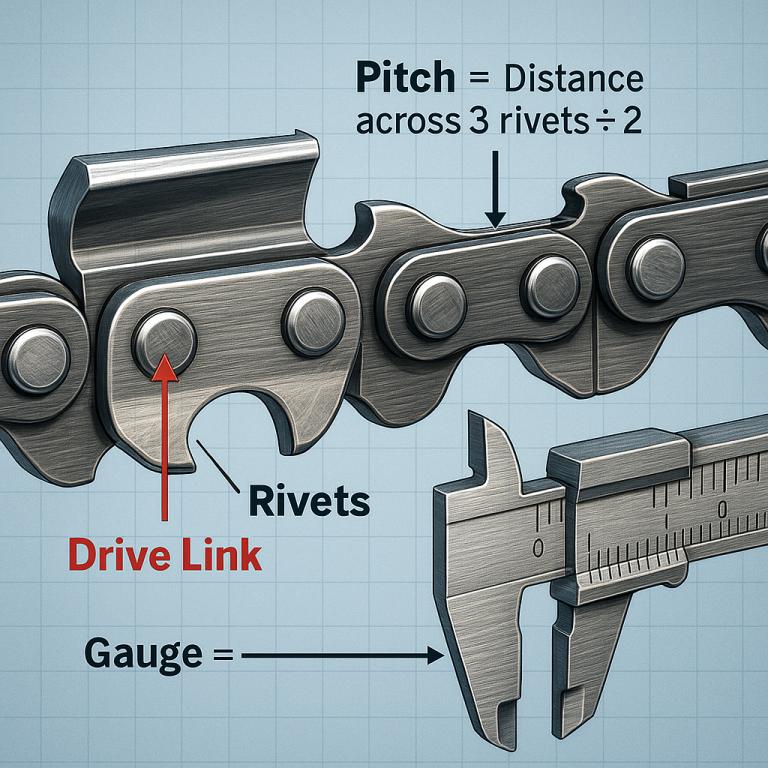
  1. PitchPitch is simply the gap between any three rivets on the drive link, cut in half; match that distance to the bar, and all the parts mesh.
    Common chainsaw pitches:
  • 1/4″
  • .325″
  • 3/8″
  • .404″
    1. Gauge : The gauge tells how thick each drive link is where it slides into the guide bar.
      Common sizes are:
  • .043″
  • .050″
  • .058″
  • .063″
  1. Drive Links : Drive links set the chain length. Count them carefully, then pair the count with pitch and gauge for a perfect fit.
chainsaw chain numbering
Macro photo of a chain with labels showing “Drive Link,” “Rivet,” and “Gauge”

Tools You'll Need for Accurate Chain Measurement

  • Gather these items before you start:
  • Tape measure or caliper.
  • Pitch gauge tool.
  • Chain gauge tool.
  • Pen and notepad (for recording numbers).
  • Safety gloves.

Step-by-Step Guide: How to Measure Your Chainsaw Chain

Follow these steps to get precise results. 

  1. Count Drive Links Remove the chain. Count each drive link, the small metal piece that rides the guide bar. Keep the total safe for the next steps. 
  1. Measure the Pitch Check the distance between three rivet holes, divide by two, then note the result. If you prefer, place a pitch gauge against the chain and let it confirm the size. 
  1. Measure the Gauge Lay a caliper across the drive link thickness use a dedicated gauge tool for the neatest reading.
  1. Record and Match At last, jot down the pitch, gauge, and drive-link numbers side by side. That small set tells you exactly what length to order for your saw.

Decoding Your Chainsaw Bar and Chain Length Chart

Most manufacturers publish handy tables showing which chain size pairs with each bar length and model. Even so, always compare their figures to your notes before buying. Refer to chainsaw chain guide from Husqvarna for detail understanding.

Never forget that bar length is just one part of the puzzle. Two saws with identical bars can still require different chains because of slight design tweaks.

Common Chainsaw Chain Lengths and Their Uses

Pick the right standard chain for the cut you plan to make. Each range performs best at certain tasks.

  • 14-16 inch: Perfect for delicate pruning and quick limb work
  • 18-20 inch: Handy when you split up firewood or tackle mid-sized jobs
  • 22-24 inch: Suited for dropping big trees and clearing land

As a rule of thumb, most firewood saws run an 18-inch chain, but species and bar style may shift that number slightly.

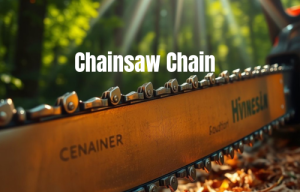
Chainsaw chain
Typical chain lengths for light, medium, and heavy-duty use

Troubleshooting: Does Bar Length Affect Chain Size?

Yes, it matters-but it isn’t the whole story. Pitch and drive-link count lock in the right fit, so check all three before you spend.

In short, grabbing a new bar without double-checking specs can cause big headaches.

How to measure chainsaw chain length

Replacing Your Chainsaw Chain with the Correct Length

Follow these quick steps to make sure it fits:

  1. Pull off the old chain and look for visible damage.
  2. Mark the worn spots and check that the bar is straight.
  3. Match pitch, gauge, and drive links exactly.
  4. Slide on the fresh chain and tighten it to the right amount.

Beyond Length: Ensuring Chainsaw Chain Compatibility

Length matters, but so do the sprocket teeth, the tensioner style, and your preferred cut: full chisel, semi-chisel, or a mix

Conclusion

Picking the correct chainsaw chain length doesn’t have to leave you scratching your head. Once you grasp pitch, gauge, drive links, and how to measure them, you’ll cut safely and smoothly every time. Never guess your size. Verify it, match it, and speak with confidence. Accurate measurement is the secret to a chainsaw that fires up and performs when the work demands it.

✅ Stay Safe Cut Smart

📌FAQs

What chain length fits a 16-inch chainsaw?

Generally, a 16-inch bar needs a chain with 55–62 drive links, .325″ pitch, and .050″ gauge. However, double-check with your manufacturer’s chart.

How do I know what size chain my chainsaw needs?

Check your manual, or measure pitch, gauge, and drive links directly. Then match those to a replacement chain.

What's the difference between 3/8 and .325 chain length?

3/8″ chains offer larger cutters and are more aggressive. In contrast, .325″ chains are smoother and better suited for light to medium use.

How often should I check my chainsaw chain length?

Before each heavy use. Even if it fits now, stretched or damaged chains must be replaced immediately.

Related Post

Leave a Comment

Your email address will not be published. Required fields are marked *