Chainsaw Storage Tips: Extend Your Saw’s Life & Ensure Safety

Introduction

Preparation Is Key for chainsaw storage

Before you slide the saw back onto the shelf or hang it up for an entire season-it needs a little love. Take a moment to tick off these small chores and save yourself bigger headaches down the road.

Fuel Management

First on the list and often forgotten is the fuel system. If your saw gulps gas, either drain the tank to the last drop or dose it with stabilizer so it doesn’t turn to gum while the machine naps. On a 2-stroke, the mix can separate with age, leaving varnish that chokes the carb, so give it a thought. The 4-stroke isn’t off the hook either; check the oil, top it off if low, and let the engine run long enough to feed fresh fuel through the lines before parking it.

Chain & Bar Maintenance

With the fuel sorted, pop off the chain and bar for a proper scrub.
Use a soft brush or canned air to sweep out gunk from the chain groove. Give the chain a quick sharpen now- it saves hassle the next time you pull it out. Before you walk away, coat the bar and chain in fresh oil so they don’t rust while sitting.

sharpening chainsaw chain

Spark Plug & Air Filter Cleaning

Next, pop off the spark plug and check the tip for black buildup. When in doubt, swap it for a new one. While you are at it, pull the air filter out and either blast it with compressed air or wash the foam in mild soap if it is washable. Clean air lets the saw breathe easily, the moment you crank it. Follow our detail guide on Chainsaw Air filter cleaning.

General Saw Cleaning

Before those checks, wipe down the saw’s housing with a rag. Remove sticky sap, dust, and old oil. A tidy body resists corrosion and lets you spot problems faster next time.

Optimal Storage Environment: Chainsaw-Storage-Tips for Location

How and where you park your saw matters as much as upkeep. These location tips help your machine last longer every off-season.

Temperature & Humidity

  • Store your chainsaw in a cool, dry spot with steady temperatures. Steer clear of damp basements or sheds that roast in summer, then freeze in winter.
  • High humidity encourages rust and mildew, so keep that in mind when storing your tools.
  • The chainsaw is resting on a clean shelf in a dry, airy workshop.

Avoid Direct Sunlight & Moisture

Try not to leave your saw in the sun’s glare for hours; the UV light can weaken plastic parts. Also, steer clear of spots where water pools or pipes drip, as moisture feeds corrosion.

Ventilation & Pest Control

Let air move freely in the storage space to stop sweat from forming on metal. Stale air traps heat and water that rust tools. For wires and grips, drop moth balls or cedar blocks near the shelf-rodents gnaw on everything.

Long-Term vs. Short-Term Storage

Knowing the difference between short- and long-term storage techniques is essential for maintaining your tool.

Long-Term Storage (Winterizing)

When a winter pause stretches into months, run through the steps above, then tuck the saw inside a lidded box to stop dust, roaches, and mice. If you can, detach the chain and bar so they lie flat, then wrap them in a clean, oil-soaked rag.

🎥 Watch How to winterize Chainsaw

Short-Term Storage (Daily/Weekly)

If the saw rests only a few days, a quick wipe-down, light chain oil, and a final check are all it needs.
Just make sure the saw is clean and bone dry before you store it. Explore storage tips from Husqvarna

Safety First

Even when the engine is off, a forgotten saw can still hurt someone. Working safety into your parking routine guards friends, pets, and the shed itself.

Blade Cover Use

First, slide on the bar guard or sheath. That small move keeps fingers safe and stops the chain from dragging dirt or rust.

Secure the Chainsaw

Set the saw on a flat surface with the chain facing down. Don’t hang it from the handle or the bar parts bend, crack, or stress.

Child Safety

Above all, keep the saw far above tiny hands or curious pets. A locked cabinet or high shelf is the only place to store the tool when work is done.

Toolbox or Case

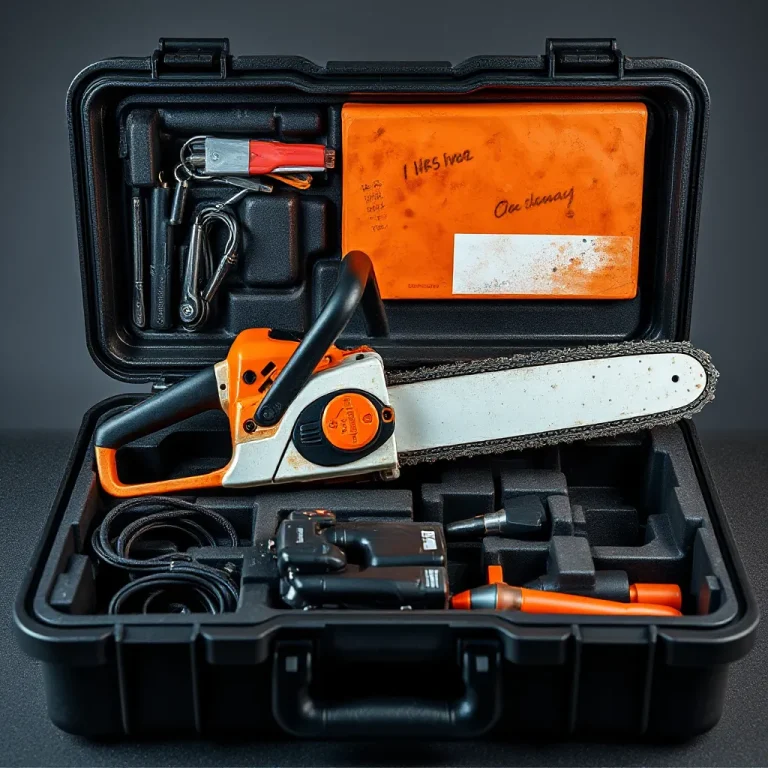
For extra peace of mind, buy a hard-shell chainsaw case. Built-in padding holds the saw still, and room for chains, fuel, and wedges keeps everything neat.

chainsaw storage

Remember

Learning how to store a chainsaw properly doesn’t take much time, but the benefits are long-lasting. Implement these practices, and your saw will thank you with years of reliable service.

Conclusion

Whether you tuck the saw away for the night or the whole season, safe storage makes sure it starts, cuts, and keeps everyone out of trouble. If you follow a few simple storage steps and throw in some light upkeep, your chainsaw will last longer, cut better, and pose fewer safety risks like kickback. Learning the right way to tuck away the tool is, therefore, not just handy; it is the hallmark of a responsible owner.

✅ Stay Safe, Cut Smart.

📌 FAQs

Can I store my chainsaw outside under a tarp?

It’s not recommended. Even with a tarp, moisture and temperature changes can lead to rust and fuel degradation.

How often should I clean my chainsaw before storing it?

Ideally, clean your chainsaw after every use. At the very least, give it a thorough clean before long-term storage.

Is it necessary to remove the chain and bar for storage?

While not always necessary for short-term storage, removing and cleaning them helps prevent rust during long-term storage.

What’s the best place to store a chainsaw indoors?

A dry, ventilated workshop or garage shelf—preferably in a sealed case—is best. Avoid storing near open flames or heat sources.

Related Post

Leave a Comment

Your email address will not be published. Required fields are marked *